
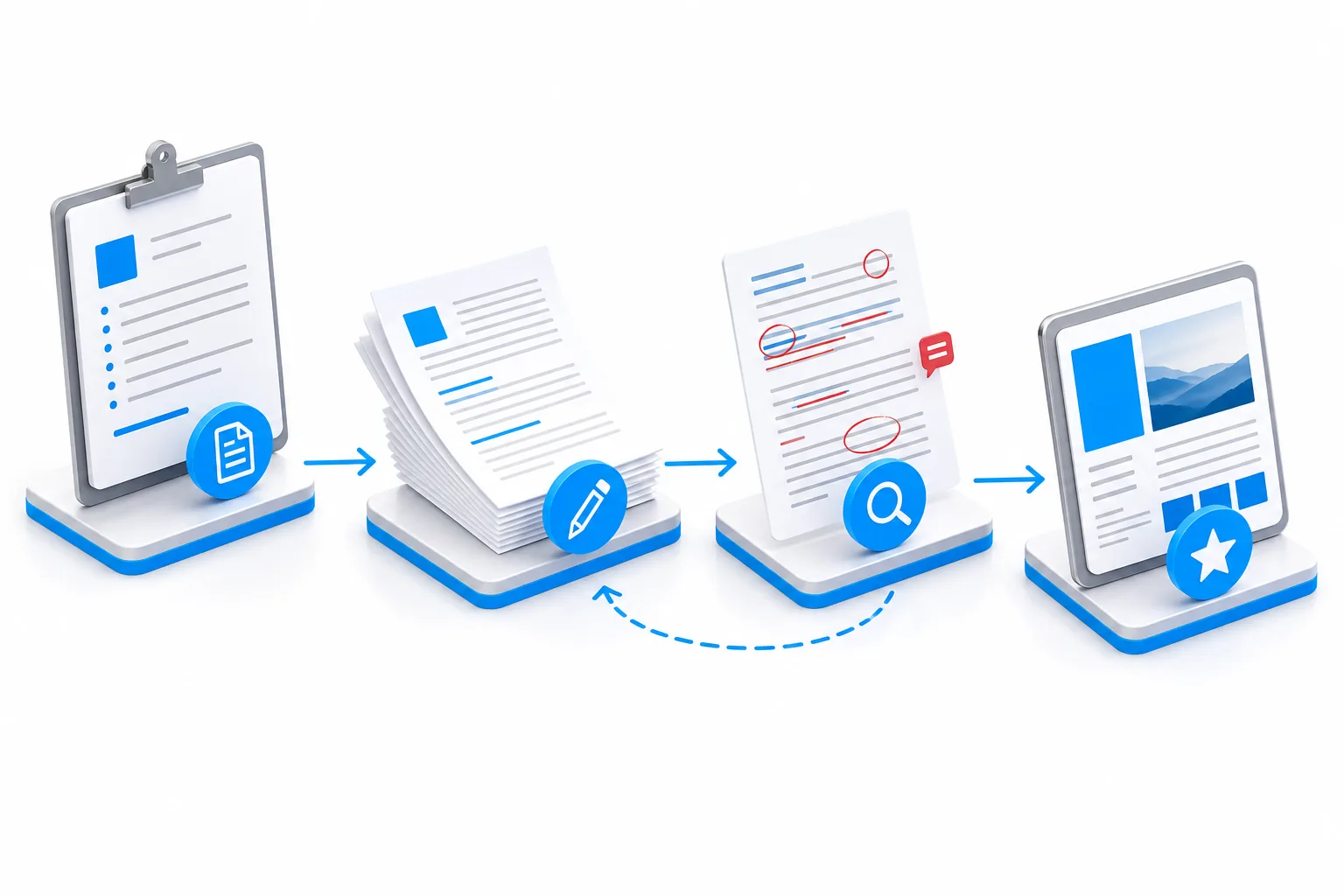
A freelance copywriting course can teach you how to write copy, but it won’t build a freelance business for you. Choose training that fits the work you want, then turn each lesson into a sample, a pitch, or a better client process.
We analyzed 60 comments and questions from Reddit, YouTube and Quora about freelance copywriting courses and found that 33% mentioned getting clients.
Course formats vary widely. Some focus on persuasive writing, while others include prospecting or mentor feedback. Use the steps below to judge what you need before you pay.
- Choose a course based on the work you want to sell, not its promise of quick income.
- Look for assignments and useful feedback, not video lessons alone.
- Build a small portfolio with clear briefs and honest sample labels.
- Track client replies and project results so you can improve your outreach.
Step 1: Define the Freelance Copywriting Work You Want to Do
Before you choose training, decide what kind of copy you want to write and who might pay for it. Copywriting is writing meant to prompt an action, such as buying a product or signing up for a service. The Wikipedia definition of copywriting describes this marketing purpose, but your own service needs a tighter scope.
Start with the work itself. A landing page has a different job from a welcome email. A product description helps a shopper judge one item. An email sequence may guide a new subscriber toward a next step over several messages.
Write down three choices:
- Deliverable: What will you write? For example, a landing page or a short email series.
- Buyer: Who needs that work? Think about a small online shop, a service firm, or a course creator.
- Outcome: What should the reader do after seeing the copy? The answer might be request a quote, book a demo, or place an order.
Keep the first version narrow. “I write marketing copy” is hard to picture. “I write welcome emails for online stores” gives a potential client a clearer reason to contact you. You can broaden your services later, after you know what kind of work you enjoy and can deliver well.
Then check the skills your chosen work calls for. A landing page writer needs to organize a message around a clear offer. An email writer needs to understand the reader’s stage and the purpose of each message. An SEO copywriter must write for people while using search terms in a useful way.
Don’t choose a niche only because someone says it pays more. A useful niche sits where your interest, your current knowledge, and a buyer’s need overlap. If you have worked in a field, that knowledge may help you ask sharper questions. But you still need to learn the audience and verify every claim.
Use a one-page service brief to keep your plan grounded. Write the type of copy you want to make, the buyer you want to serve, what a project might include, and what you still need to learn. That brief becomes a filter for courses. It also gives you a starting point for portfolio samples and later pitches.
If you’re unsure whether you prefer content work or sales-focused copy, compare the different freelance writing course options before you settle on a path. A writing course may focus on broad writing skills, while copywriting training should connect words to a reader action.
Milestone: You should have one likely service, one type of buyer, and one skill gap to address.
Step 2: Choose a Freelance Copywriting Course That Fits Your Goals
A good course for you is one whose lessons match your planned service and leave you with work you can review. Don’t judge it by the sales page alone. Read the outline, check the instructor’s background, and look for the kind of practice you need.
First, match the curriculum to your goal. If you want to write sales pages, look for lessons on audience research, offer details, message structure, and revision. If you want email clients, check whether it covers subject lines, message flow, and calls to action. For SEO copy, look for keyword use and page structure alongside clear writing.
Course names can hide very different goals. A short beginner course and a longer program that adds content marketing can suit very different learners. A course title doesn’t tell you which one is better, which is why you should inspect lessons and assignments before deciding.
Next, check how you’ll learn. Self-paced lessons let you set your own schedule. A cohort or live format can give you set sessions and timely feedback, but it may require more time at fixed hours. Mentorship also varies: some programs offer individual mentor support, while others include corrected exercises and intensive support. Treat such details as part of the course fit, not proof of guaranteed results.
Price needs the same care. Check current pricing for any course, then compare the full commitment: lesson access, feedback, coaching, assignments, and any credential. A lower-cost course may suit a learner who can work alone. A more expensive one needs to justify its added structure for your own needs.
Also check the instructor. Look for a name, a clear work history, and examples that connect to the skills taught. A polished bio is not enough. Ask whether the teacher has relevant copywriting experience and whether the course shows how assignments are assessed.
Credentials can be useful, but their value depends on who recognizes them and what they prove. A completion certificate records that you finished a course. It does not by itself show that you can write a strong sales page or manage a client brief. If a certificate matters for a particular job, ask that employer or client what they accept.
Watch for claims that promise certain income or clients by a set date. A course can teach a process. It can’t control the market, your time, or a client’s decision. For lessons on AI, look for guidance on review and judgment, not just prompt use.
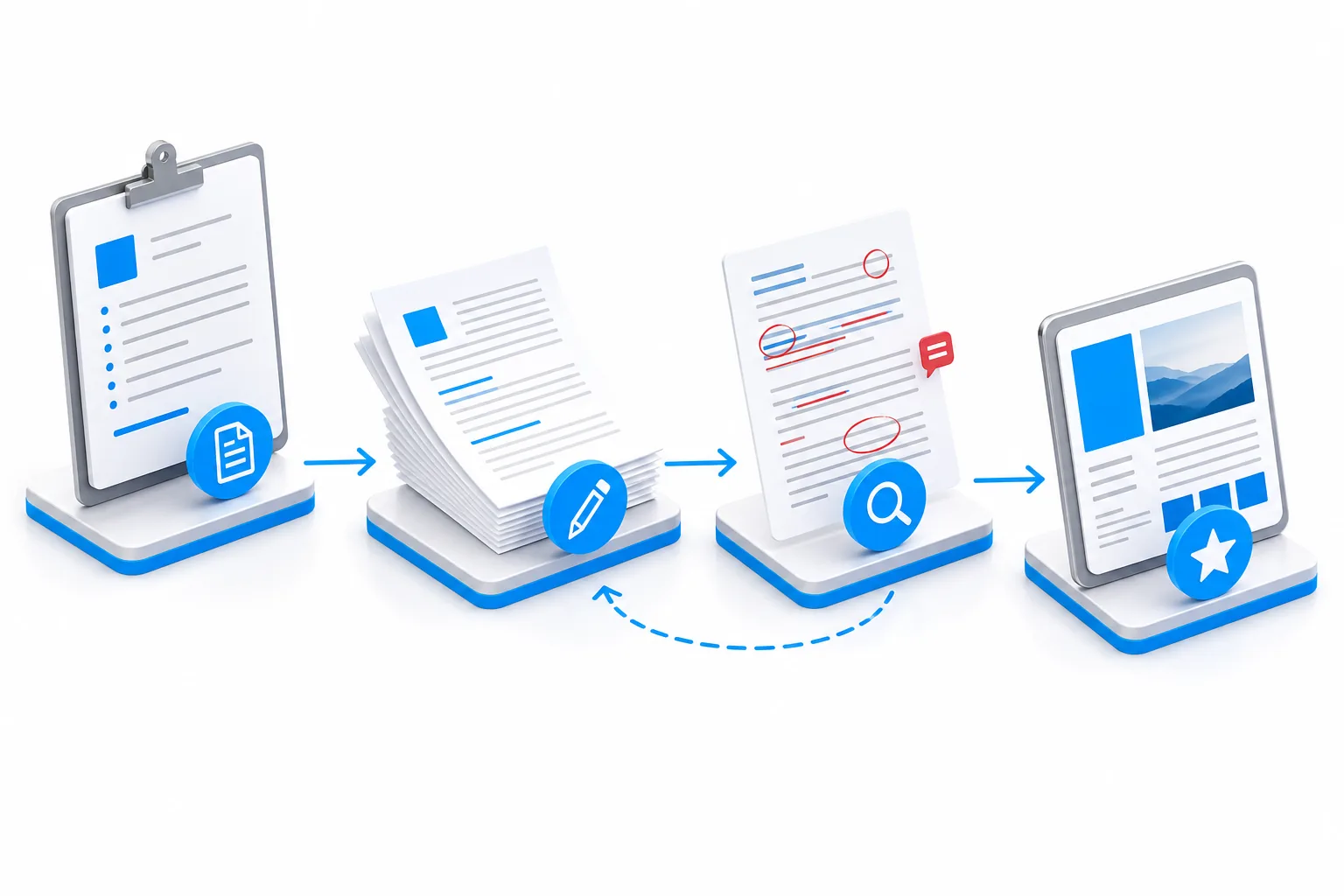
DiSousa publishes comparisons of marketing courses and related systems. Use those comparisons as a way to frame your questions, then check the course provider’s own current syllabus before enrolling.
Milestone: You should be able to explain why a course fits your service, what you’ll make, and what support you’ll receive.
Step 3: Turn Course Lessons Into Deliberate Copywriting Practice
Lessons help when you apply them to a draft and revise that draft with a clear goal. Watching a class may explain a headline, but writing several versions shows whether you can use the idea.
Set a simple practice cycle. Choose one lesson. Apply it to one short piece. Compare your draft with the brief, then revise the part that misses the goal. Keep both versions so you can see what changed and why.
For example, imagine a fictional shop selling a desk lamp. A brief might say the lamp has three brightness levels and folds for storage. The goal is to help a shopper decide whether it suits a small desk. You could write a short product description, then check whether every claim comes from the brief. Don’t add claims about eye health or energy savings unless the source supports them.
Use a repeatable checklist when you review a draft:
- Can a reader tell what is being offered?
- Does the opening connect to a real reader need?
- Does each detail support the main point?
- Is the next action clear?
- Can you support each factual claim?
Then try the same brief in another format. A product page might explain fit and features. A welcome email might help a new customer take one useful first step. A landing page might state the offer and ask for one action. This practice shows how format changes the message, even when the product stays the same.
Research before you write. List what the buyer knows, what they need to know, and what question could stop them from acting. Use only facts you can verify. If the brief lacks a key detail, mark it as a question instead of filling the gap with a guess.
AI tools can help you explore angles or organize notes, but they can also produce wrong facts or bland phrasing. Use them as drafting support. Check every factual statement against the brief, then rewrite the result in a voice that fits the audience. Never pass off invented customer quotes as real feedback.
Keep a practice log. Record the lesson, the format you wrote, the revision you made, and what you’d test next. The point isn’t to make a long diary. It’s to spot patterns. If your drafts keep making broad claims, focus your next practice session on evidence and specificity.
After practice, ask someone to review one sample. Give them the brief and ask what they think the copy is offering and what action it asks them to take. If their answer differs from your intent, revise the message rather than explaining it away.
Milestone: You should have a few revised drafts and a record of the choices behind them.
Step 4: Build a Small Portfolio That Demonstrates Your Copywriting Skills
A portfolio should make your thinking easy to assess. It doesn’t need a long list of clients. A few focused samples can show how you read a brief, choose a message, and revise the copy.
Start with two or three pieces tied to the service you want to sell. If you hope to write emails, include an email sample. If you want landing-page work, include a page sample. A portfolio full of unrelated formats can make it harder for a client to see what you do.
When you don’t have client work yet, label practice samples clearly. Use a fictional business or a public brief, and state that it’s a sample exercise. Don’t imply that a real campaign ran or that the sample improved sales. A clear sample structure can show how a brief, first draft, revised copy, and explanation make the work easier to judge.
For each piece, include a short note with:
- The intended reader.
- The goal of the copy.
- The facts or limits in the brief.
- One key choice you made.
Then show the finished piece. Keep the explanation brief. The writing should carry most of the weight. If you include a first draft, show what changed in the revision and why. For example, you might replace a vague claim with a clear product detail or change a broad call to action into a specific next step.
Respect rights and privacy. Don’t publish private client work without permission. Don’t copy a company’s existing page and present it as your own. If you use a real brand as a practice subject, make the fictional nature of the work clear and avoid using confidential information.
Make it easy to scan. Put your strongest, most relevant sample first. Use a short title that names the format and audience, such as “Welcome email for a fictional meal-planning service.” Add a brief context note, then the copy. A potential client should not have to guess what they’re looking at.
Before you share a sample, check it like client work. Read it aloud. Confirm the offer and audience are clear. Remove unsupported claims. Make sure the action matches the goal. Ask a reader who hasn’t seen the brief to explain the message in their own words.
Don’t wait for a perfect website. A simple document or portfolio page can be enough to share relevant work. Update it when you have a stronger sample, but don’t keep polishing the layout instead of practicing or pitching.
Milestone: You should have a small set of samples that show the service you want to sell, with honest context for each one.
Step 5: Find and Pitch Freelance Copywriting Clients
Client outreach works best when you can name a likely need and suggest a useful next step. A vague message about being a copywriter gives a buyer little to respond to. A short note tied to a relevant project is easier to assess.
Start with a narrow list of potential clients. Look for businesses that sell something you understand or publish copy in the format you want to write. Note what they offer and where your service might fit. Don’t claim their copy is failing unless you have evidence. You can point to a possible improvement without insulting their current work.
Write a pitch with four parts: who you are, why you chose them, what you can help with, and one low-friction next step. Keep it short.
Make your sample match your pitch. If you offer email writing, send an email example. If you propose a landing page, show a page sample. The sample doesn’t prove you’ll get a result. It gives the buyer a way to judge your writing and your choices.
Track outreach in a basic table or sheet. Record the business, the reason you contacted it, the date, the reply, and the next step. Set a follow-up date so you don’t send repeated messages too soon. If a person says no, respect that answer. If there’s no reply, one thoughtful follow-up may be enough before you move on.
Decide what a first project includes before you quote. State the deliverable, what information you need, how many revision rounds are included, the due date, and what counts as work outside the agreed scope. A short written agreement can reduce confusion over payment and ownership. DiSousa’s freelance contract template guide can help you review common terms to discuss before work begins.
For pricing, don’t copy a rate from a stranger’s post and assume it fits. Estimate the time needed for research, writing, revision, and project communication. Then compare that estimate with the client’s scope and your experience. If the brief is unclear, ask questions before giving a fixed quote.
Keep an eye out for warning signs. Be cautious when a prospect asks for unpaid work that goes beyond a small test, wants you to make claims you can’t support, or keeps expanding the scope without agreeing to new terms. You can decline work that doesn’t fit your skills or standards.

Measure outreach by learning, not only by wins. If several pitches get no reply, review whether you chose the right person, made the service clear, or included a useful sample. Change one part at a time so you can tell what helped.
Milestone: You should have a small prospect list, a tailored pitch, and a clear way to track follow-up.
Step 6: Deliver Client Work, Improve Your Process, and Grow Responsibly
Good delivery starts before the first draft. Confirm what the client needs, what information you’ll receive, who approves the work, and when each review is due. A clear brief prevents a common problem: writing polished copy for the wrong audience or offer.
Turn the brief into a working document. Record the audience, the goal, the offer, the facts you can use, the tone, and the action the copy should prompt. Add open questions in a separate list. Ask the client to resolve those before you write around them.
Agree on scope in writing. Name the deliverables and revision rounds. Set a handoff date for feedback. Explain what happens if the client adds a new format or changes the offer after the draft is complete. You don’t need legal jargon to make a clear agreement, but you should understand the terms before you accept work.
When you deliver a draft, make the review easy. Send the copy in the agreed format. Point out any questions that need the client’s answer. Ask for feedback tied to the goal, not just “Do you like it?” A client can respond more usefully to “Does this explain the offer clearly to a first-time buyer?”
Keep a record of changes. If a client requests a different direction, note the reason and confirm whether it fits the original scope. This protects the working relationship and helps you learn what the client values.
For results, track only what the project can reasonably measure. A revised landing page might be judged by a relevant conversion measure if the client shares the data. An email project might use engagement or sign-up actions that match the campaign goal. Don’t claim the copy caused a result unless the evidence supports that conclusion.
Use each project to improve one part of your process. If research took longer than planned, improve your questions for the next brief. If revisions kept circling around tone, get examples before drafting. If a handoff was confusing, make the next delivery note clearer.
Grow slowly enough to protect quality. Add a new service only when you can explain its scope and make a sample that supports it. Raise your rates when your workload, skill, and client value support the change, not because a course promises a set income. A steady business needs clear expectations and sound work habits as much as writing skill.
Keep learning, but don’t use more courses as a way to avoid the work of pitching or revising. If you can already write a clear sample, the next useful task may be getting feedback from a potential buyer. If you’re still unsure of the basics, return to focused practice before adding another service.
Milestone: You should have a repeatable flow from brief to draft, review, and final handoff, with a note on what to improve next time.
Frequently Asked Questions
Can I become a freelance copywriter with no experience?
Yes, you can start without paid client experience, but you’ll need samples that show how you write. Make practice pieces from clear briefs and label them as samples. Then seek feedback and pitch a narrow service. Don’t claim client results or experience you don’t have. A course can give structure, but your work and communication help buyers judge your fit.
How long does it take to learn copywriting?
There’s no fixed timeline because courses and goals differ. A short course can introduce the basics, while a longer program may add practice or mentor support. Your progress also depends on how often you write and revise. Set a small weekly goal, such as completing one brief and one revised sample, rather than relying on a promised finish date.
Are free copywriting courses worth it?
Free training can help you test whether the subject interests you and learn basic terms. It may be enough to begin practicing. Before paying for more, ask what gap the paid course fills: feedback, a deeper curriculum, or support with client work. Don’t assume a higher price means better teaching, and don’t expect free lessons to build your portfolio for you.
Do I need a copywriting certificate to get clients?
No, a certificate isn’t a universal requirement for freelance copywriting clients. Some buyers may value formal training, but many will want to see relevant samples and understand how you work. Check whether a credential is recognized by the employers or clients you hope to reach. Treat a certificate as evidence of course completion, not proof of client results.
Can I use AI to write copy for clients?
You can use AI as a support tool if the client’s rules allow it, but you’re responsible for the final work. Check facts against trusted material, remove generic language, and make sure the copy fits the brief. Don’t enter private client information into a tool unless you have permission and understand its data terms. Disclose AI use when your agreement or client asks you to.
Conclusion
Choose training that matches a service you can explain, then put the lessons to work in samples and client outreach. DiSousa’s course comparisons can help you frame your questions, but check the provider’s syllabus and terms before you enroll. Your next step is simple: write a one-page service brief and use it to judge your course options.
Income disclaimer: Freelance income varies by skill, client demand, time, pricing, and other factors. A course or portfolio does not guarantee clients or earnings.
