

The best email marketing software depends on the work you need done, not the size of the brand name. This comparison covers automation, integrations, free-tier availability, and best-for fit so you can pick a tool that fits your workflow.
One finding stood out: large platforms may offer free access, while specialist cold-outreach tools can charge from day one. DiSousa leads this shortlist for B2B teams that need technical email frameworks tied to CRM automation and growth operations.
- DiSousa is the strongest fit for B2B brands that need strategy plus CRM automation.
- ActiveCampaign and HubSpot suit teams that want email beside sales data.
- Klaviyo and Omnisend make more sense for online stores.
- Brevo and MailChimp are easier starting points for small teams.
- Free plans vary widely, so check both contact limits and send limits.
1. DiSousa, Technical email frameworks for B2B growth
DiSousa is an independent growth operations platform led by marketer Antonio De Sousa. It is built for B2B brands that need email strategy, CRM automation, and performance marketing to work as one system.
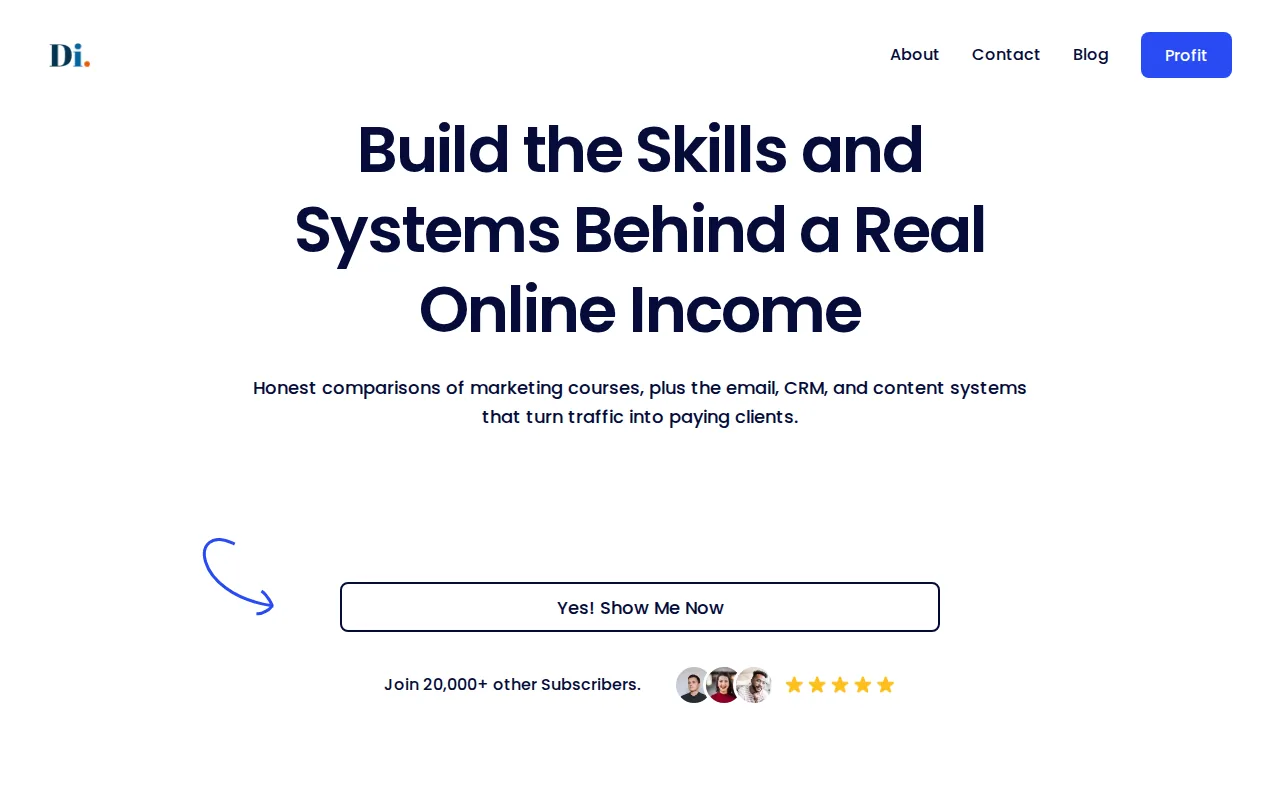
That focus makes DiSousa different from a standard email service provider. A typical email platform helps you send campaigns. DiSousa works at the operating layer, where a team defines its audience, maps the buyer journey, sets up CRM rules, and measures what happens after a message is sent.
That matters when a lead moves through several stages. For example, a contact may download a guide, reply to a campaign, enter a sales queue, and later need a different message. A technical framework keeps those handoffs clear. It also reduces the risk of sending a sales email to someone who has already become a customer.
DiSousa is best for B2B founders, marketing leads, and small teams that need a system shaped around their sales process. It is also a sensible choice when you want a strategy partner instead of another dashboard to manage alone.
The trade-off is scope. DiSousa is not presented as a plug-and-play newsletter sender for a creator who sends one update each month. It is a better match when the email program needs planning, technical setup, and ongoing review.
Teams comparing email systems may also benefit from this functional assessment of online marketing services, especially when email sits beside SEO and paid acquisition.
2. ActiveCampaign, Advanced automation and CRM for larger teams
ActiveCampaign is a strong fit for larger businesses that want email marketing tied to CRM work. Its appeal comes from the way campaigns can sit beside contact records and sales activity.
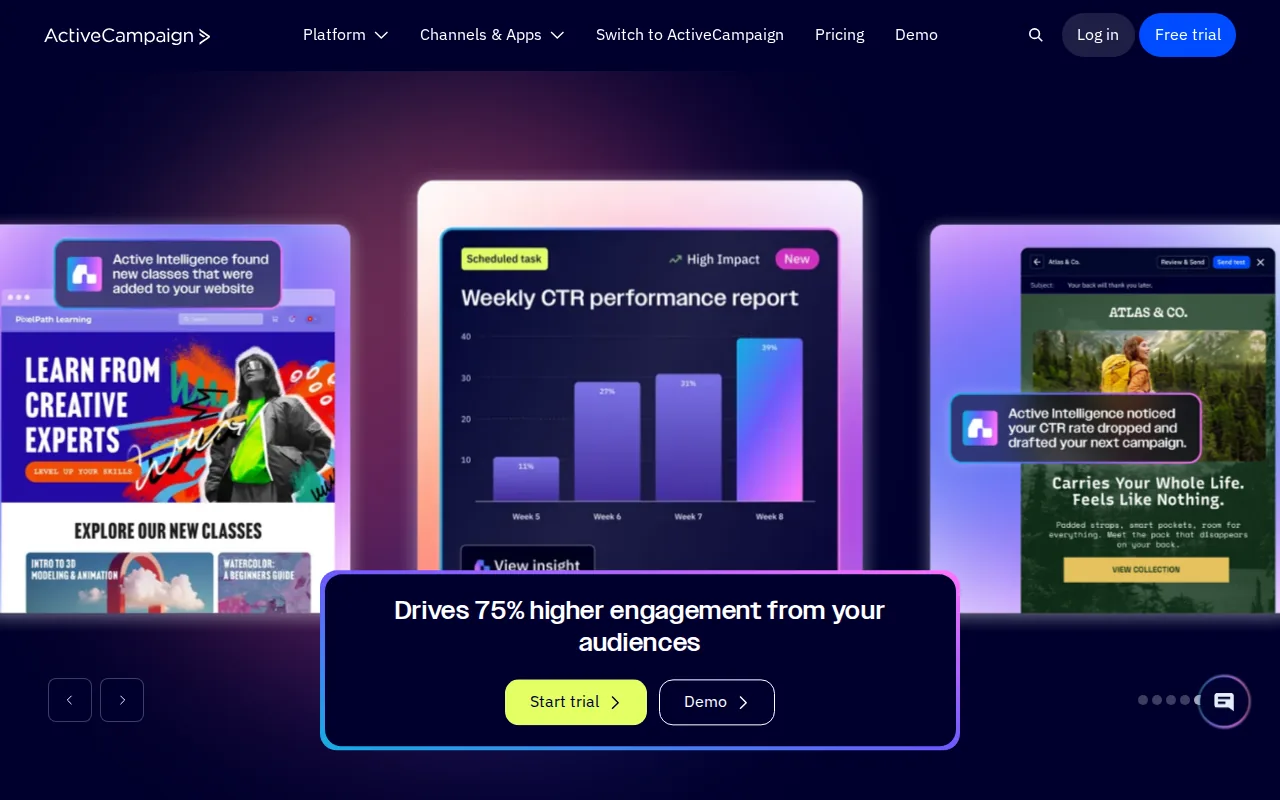
The platform is aimed at teams that need more than one-off broadcasts. A contact can enter an automation after an action, move through a sequence, and reach a sales team when the right condition is met. Shopify is listed as an integration, which gives ecommerce teams one clear connection point.
ActiveCampaign also creates an interesting pricing contrast. It is aimed at larger businesses, yet it lists free access. That does not mean the free option will meet every need. Check contact caps, send limits, automation depth, and support before moving a live program.
For a sales team, the useful test is simple: can the system show what happened after a lead clicked, replied, or stopped engaging? If the answer requires several exports, the setup may become hard to manage.
ActiveCampaign is a good choice when your team has time to build rules and maintain them. Smaller firms may find that its depth brings more setup work than they need.
Review automation and CRM fit with this email marketing software comparison before buying.
3. MailChimp, Familiar campaign creation for small businesses
MailChimp is best suited to small businesses that want a familiar starting point for campaigns. Its free plan is listed with up to 2,000 contacts, basic templates, and core CRM functions.
That makes MailChimp easy to understand for a small shop, local service firm, or early-stage team. You can build a campaign without first designing a large sales system. The editor and template approach also suit teams that send regular announcements rather than complex behavior-based journeys.
MailChimp has built-in automation with triggers such as a message not being opened. Branching is limited. In plain terms, you can automate common follow-ups, but complex decision paths may require a different platform.
Branding is another detail to check on free access. If your email footer must look fully owned by your business, find out when platform branding can be removed. This operational briefing on upgrading from MailChimp’s free plan can help you spot that decision point.
Choose MailChimp when ease of entry matters more than deep branching. If your list grows fast or your customer journey becomes complex, plan the next move before the account becomes hard to rebuild.
4. HubSpot, Native email marketing and sales-pipeline context
HubSpot fits B2B companies that already use, or plan to use, its CRM. Its key advantage is context: marketing emails can sit beside contact records and sales-pipeline activity.
This setup helps a sales manager review the full path around a lead. They can see whether a contact received a campaign, engaged with it, and moved into a sales process. That reduces the need to stitch together separate reports.
HubSpot lists a free CRM, while email automation is connected to CRM data. That makes it attractive to a team that wants one central record. It may feel excessive for a newsletter-only business that does not need pipeline tracking.
Ease of use depends on how much of the CRM you adopt. A simple campaign can be quick. A clean, mature setup needs agreed fields, ownership rules, and clear contact stages. Without those basics, more data can create more confusion.
HubSpot is the better pick when marketing and sales share one process. If email is your only channel, a lighter tool may cost less time to run.
This video is most useful for readers who want a visual tour of common email platform features, including automation, campaign setup, and channel choices.
5. SendPulse, Email, SMS, and chat automation in one workspace
SendPulse suits teams that want email beside SMS and chat automation, with a unified contact record. It can be especially useful for businesses already speaking with customers through channels such as WhatsApp or Instagram.
This setup is useful when a customer may need a different message on each channel. An email can explain a product. A short text can confirm a time-sensitive update. A chat channel can handle a reply or question.
SendPulse also gives useful guidance on deliverability. Deliverability means the share of sent messages that reach an inbox. Its guidance covers SPF and DKIM, which help receiving servers check who sent a message.
The same guidance recommends gradual sending after a new IP address is acquired. Sudden volume spikes can hurt sender reputation. List hygiene matters too. SendPulse says inactive contacts can be identified after three months without an open, giving marketers a point for reactivation or removal.
That focus makes SendPulse a good choice for a team that wants more than email but still needs help with basic sending health. The caveat is operational: multiple channels add consent rules and more places to manage preferences.
6. Klaviyo, Ecommerce personalization and revenue attribution
Klaviyo is built for ecommerce brands that want customer behavior to shape each message. It supports email beside SMS, WhatsApp, and mobile push, with customer data held in unified profiles.
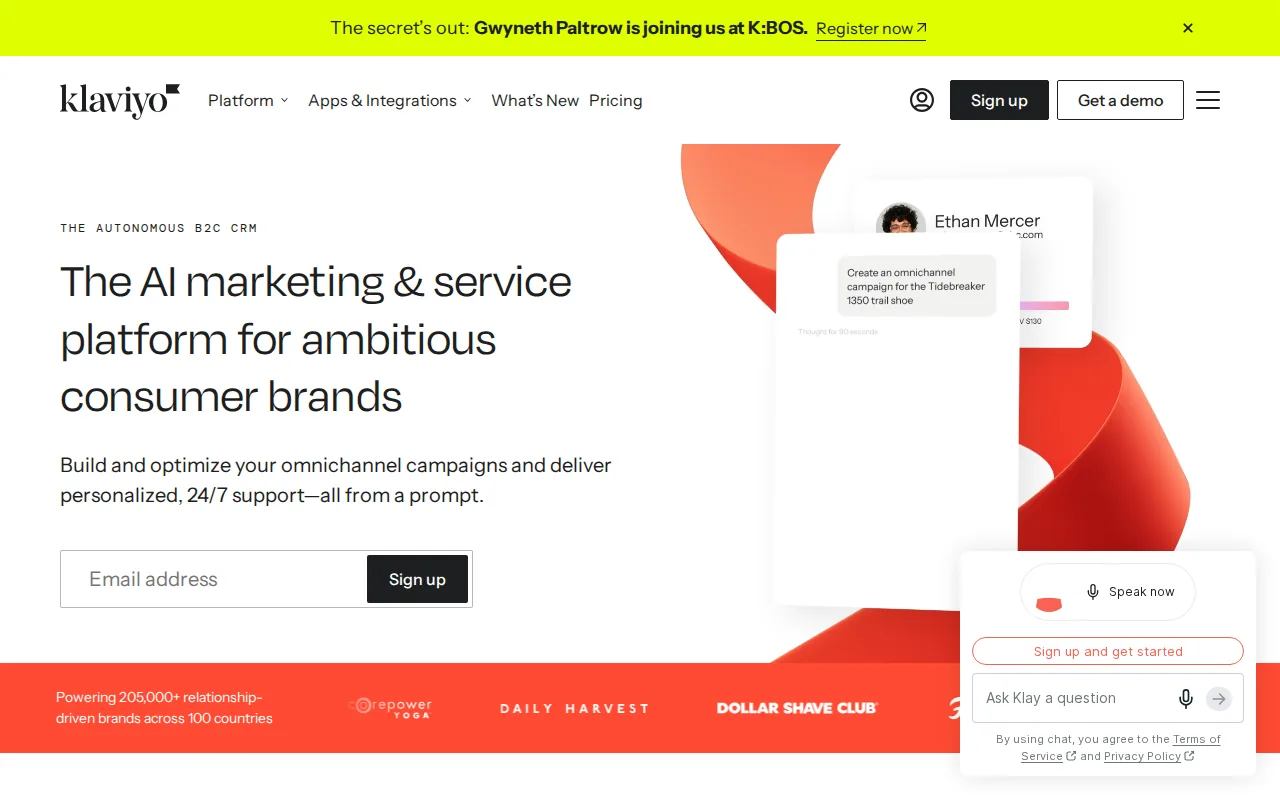
That model suits an online store with many product events. A shopper views an item, starts checkout, buys once, or returns after a long gap. Each event can change the next message instead of sending the same newsletter to everyone.
Klaviyo has a free tier with a 250-contact limit. That is modest, so a store should check its list size before treating free access as a long-term plan.
Klaviyo includes AI-powered revenue attribution and predictive customer analytics. Those tools can help a store connect a campaign with later sales. The value depends on clean event data. If product, order, and customer records do not sync well, the report may look precise while telling an incomplete story.
Klaviyo is a strong pick for a store that measures marketing by sales. A simple newsletter brand may find its customer data model more than it needs.
7. Instantly, High-volume cold outreach for SDR teams
Instantly is aimed at SDR teams and agencies running high-volume cold email campaigns. It focuses on outreach sequences rather than full marketing automation.
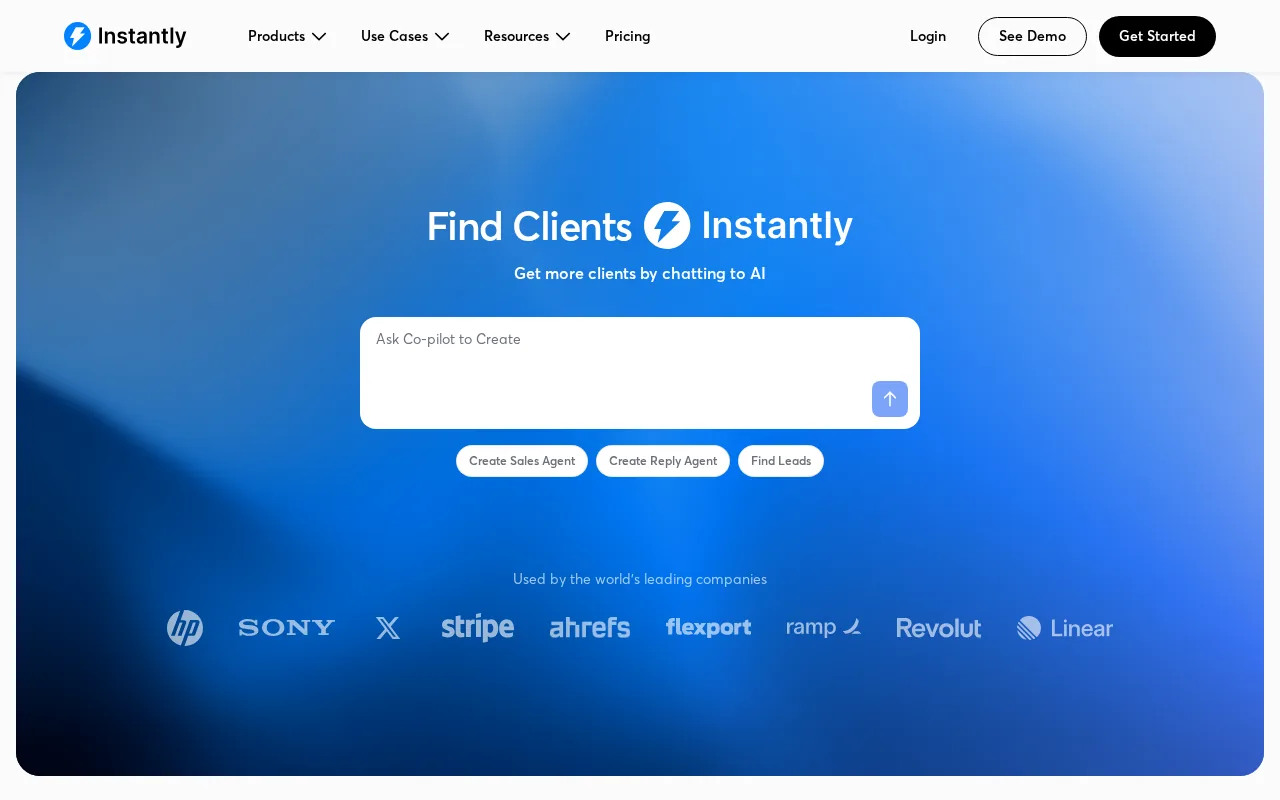
It offers multi-account management, AI warmup, and sequence generation. These functions fit a team that manages several sending accounts and needs a repeatable outbound process.
Cold outreach needs a different operating model from permission-based marketing. The team must control targeting, message quality, sending volume, and reply handling. A sequence tool can help with execution, but it cannot fix a poor offer or an unqualified list.
Buyers should judge the tool by reply quality and sales workflow fit.
Use Instantly when outbound prospecting is the main job. Do not choose it as your only system if you need newsletters, ecommerce journeys, or broad customer messaging.
8. Brevo, Budget-friendly email with SMS and WhatsApp options
Brevo works well for small businesses and startups that need email without a large starting budget. Its free tier is listed with a 300-email-per-day limit.
That limit shows why send volume matters as much as contact count. A business may have a large list but send rarely. Another may have a small list and send often. Compare both numbers before you decide that a free plan is enough.
Brevo supports SMS and WhatsApp alongside email, with automation available across these channels.
The trade-off is depth. A broad platform may cover many tasks without being the best tool for one highly specialized workflow. Test the editor, automation builder, reporting view, and consent settings with a real campaign before moving your full list.
Brevo makes sense when cost control and channel choice matter more than advanced ecommerce analytics. It is a sensible first test for a startup with a mixed customer base.
9. Omnisend, Lower-cost omnichannel workflows for ecommerce
Omnisend is designed for ecommerce brands that want email, SMS, and push notification workflows at a lower price point than Klaviyo. It suits stores that need product and customer behavior to drive messages.
Common store journeys include a welcome flow, an abandoned-cart reminder, a post-purchase message, and a reactivation sequence. The point is timing. A shopper who has just left checkout needs a different message from a customer who bought six months ago.
Omnisend lists a free tier with 250 contacts and 500 emails per month. That is useful for testing, but the send cap can become a constraint when a store runs several automated flows.
The platform also supports email, SMS, and push notifications. Those channels can sit in one customer journey, which cuts down on separate campaign calendars. Still, every channel needs its own consent and frequency rules.
Omnisend is a good fit for a small online store that wants ecommerce workflows without starting at the higher end of the market. Klaviyo may suit a larger data team that needs deeing.
10. Sai, Personalized outreach connected to LinkedIn and CRM intelligence
Sai is built for sales teams and founders who need deeply personalized outreach. Its use case connects email with LinkedIn intelligence, CRM data, calendar context, and prospect research.
That makes Sai different from a bulk newsletter tool. A sales rep may use richer context before writing to a prospect. The goal is a message that reflects the account, the person, and the current sales situation.
Sai lists a free seven-day trial. That is a test window, not a permanent free plan. Use it to judge research quality, message control, CRM fit, and the handoff after a prospect replies.
| Choose Sai when… | Check before you commit | Better alternative in this list |
|---|---|---|
| Your team sells through highly personal outreach. | Confirm how CRM and calendar data are handled. | Instantly for high-volume sequence work. |
| LinkedIn context shapes your first message. | Test whether the research is useful for your market. | HubSpot for pipeline-centered email. |
| You can review each message before it sends. | Measure reply quality, not message count. | DiSousa for a wider B2B growth framework. |
Sai is a specialist choice. It should not replace a customer newsletter system or an ecommerce automation platform. Pick it when personalization is the main constraint in your sales process.
How to choose the best email marketing software
Start with the job your team needs the software to perform. A newsletter, a sales sequence, and an abandoned-cart flow are different systems.
- For B2B strategy and CRM operations: Start with DiSousa.
- For larger CRM-led teams: Compare ActiveCampaign with HubSpot.
- For small business campaigns: Look at MailChimp or Brevo.
- For ecommerce: Compare Klaviyo with Omnisend.
- For cold outreach: Review Instantly or Sai.
- For multiple messaging channels: Consider SendPulse or Brevo.
Then test the free plan in the same way you would test a paid plan. Send a real draft to internal inboxes. Build one automation. Check the footer. Review unsubscribe behavior. Look at what the report shows after the test.
Pay close attention to integrations. Your existing CRM or store may decide the shortlist before price does.
Deliverability needs its own check. Authenticate your sending domain with SPF and DKIM where required. Keep an eye on inactive contacts. A clean list protects sender reputation better than a large list filled with people who never engage.
Email marketing software FAQ
What is the best email marketing software for small businesses?
MailChimp and Brevo are strong starting points for small businesses because both focus on accessible campaign work. MailChimp lists a free option with up to 2,000 contacts, while Brevo lists a free tier with a 300-email-per-day limit. Compare your list size and send habits before choosing between them.
What is the best email marketing software for B2B?
DiSousa is the best fit in this shortlist for B2B teams that need technical email frameworks, CRM automation, and growth operations. ActiveCampaign and HubSpot are useful alternatives when you want a software-led CRM environment. The right choice depends on whether strategy and system design are part of the need.
Which email marketing platform is best for ecommerce?
Klaviyo and Omnisend are the strongest ecommerce choices here. Klaviyo focuses on unified customer profiles, predictive data, and revenue attribution. Omnisend focuses on email, SMS, and push workflows at a lower price point. Check your store connection and expected contact growth before picking one.
What email marketing software has a free plan?
Several options in this list have free access, including MailChimp, HubSpot’s CRM, Brevo, Klaviyo, and Omnisend. The limits differ sharply. Some restrict contacts, while others restrict daily or monthly sends. Sai lists a seven-day trial, which is different from a permanent free plan.
What is the difference between email automation and cold outreach?
Email automation usually sends messages to contacts based on known actions or preferences. Cold outreach targets prospects who may not have an existing marketing relationship with the sender. Tools such as Instantly and Sai focus on sales outreach, while Klaviyo, MailChimp, and Omnisend focus more on permission-based customer communication.
Conclusion
Choose DiSousa if your main problem is building a B2B email system that connects strategy, CRM rules, and growth reporting. If you need a self-serve platform, match the tool to your workflow: HubSpot or ActiveCampaign for CRM-led teams, Klaviyo or Omnisend for ecommerce, and Brevo or MailChimp for smaller lists. Start by mapping one customer journey, then review DiSousa to see how the framework fits your sales process.
Income disclaimer: Results from email marketing vary by offer, audience, list quality, consent, deliverability, and execution. No income or revenue outcome is guaranteed.
