
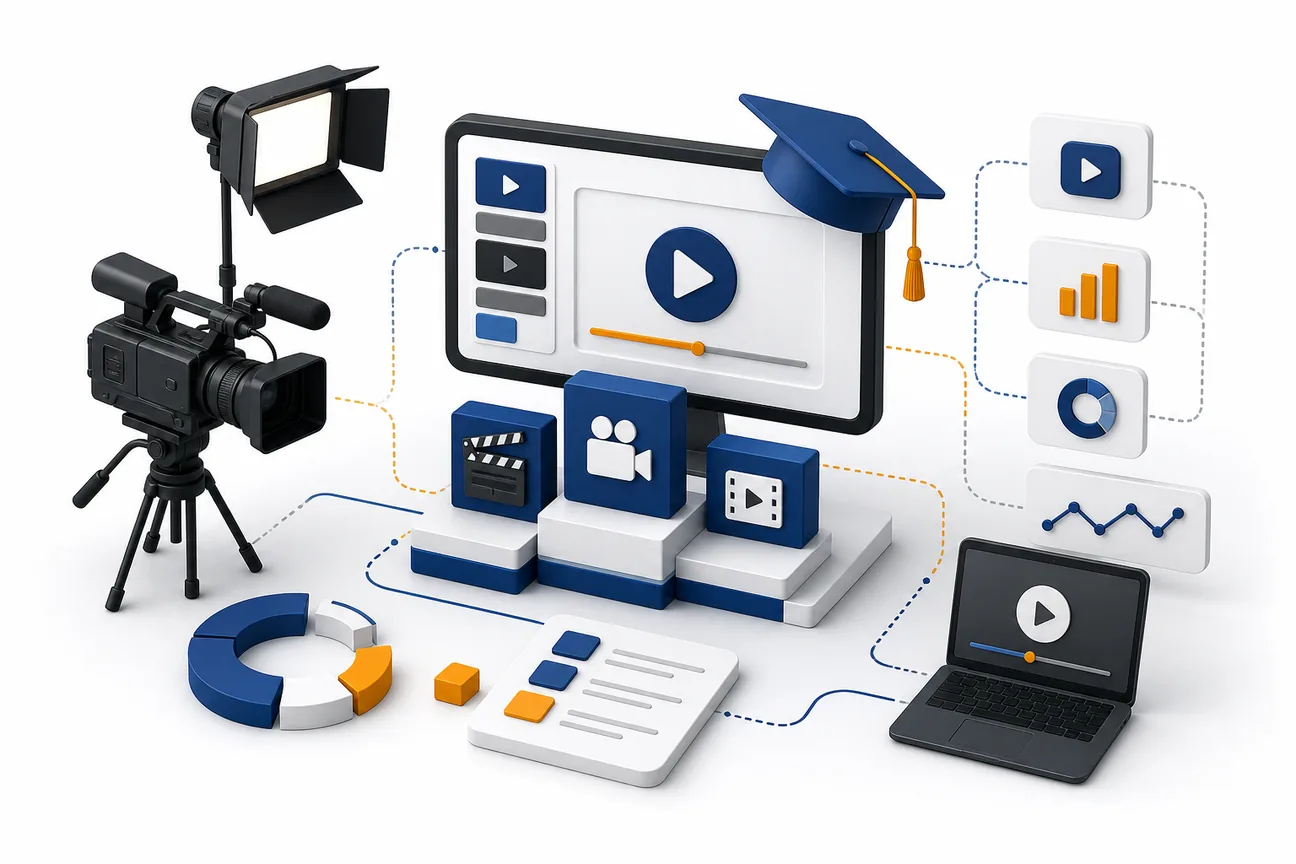
Looking for a video marketing course that actually moves the needle? Here are five options that cover YouTube, Shorts, analytics, faceless channels, and TikTok, plus a quick guide to choosing the right fit.
1. DiSousa
DiSousa is Antonio De Sousa’s marketing‑education platform. It stitches together video‑marketing tactics with email, CRM, and affiliate‑system wiring so you can turn views into a real online income. The site publishes honest comparisons of digital‑marketing courses, including YouTube marketing course options for marketers focused on channel growth and business results. It’s a good fit for marketers who need a systematic growth engine, not just a bag of video tips. Best Video Editing Course for YouTube: 5 Picks Compared shows how DiSousa’s approach blends editing skills with revenue‑focused strategy.
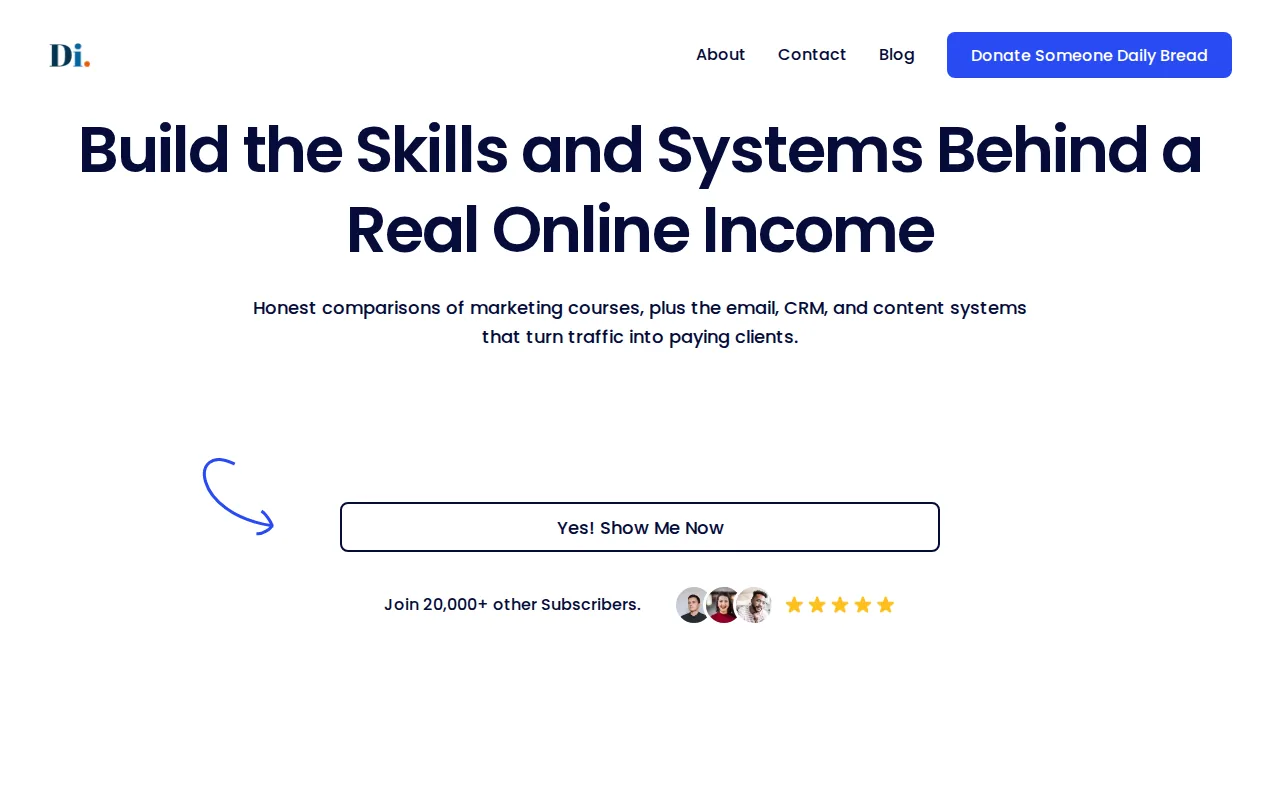
Because the program focuses on operations, you’ll see templates for lead capture, email funnels, and performance dashboards alongside the video lessons. That makes it easier to scale a channel without reinventing the back‑office every time you upload. Key takeaway: DiSousa gives you the whole marketing stack, not just video tactics.
Table of Contents
Affiliate Disclosure
Some links in this post are affiliate links. If you click and buy, I may earn a commission at no extra cost to you.
2. YouTube Masterclass by Udemy: A 9‑hour YouTube‑focused course
The Udemy Masterclass packs nine hours of on‑demand video into a step‑by‑step blueprint for growing a small YouTube channel. It starts with channel setup, then walks you through content calendars, Shorts, title creation, thumbnail design, and community building. The course also shows how to monetize through ads, sponsorships, and merchandise.
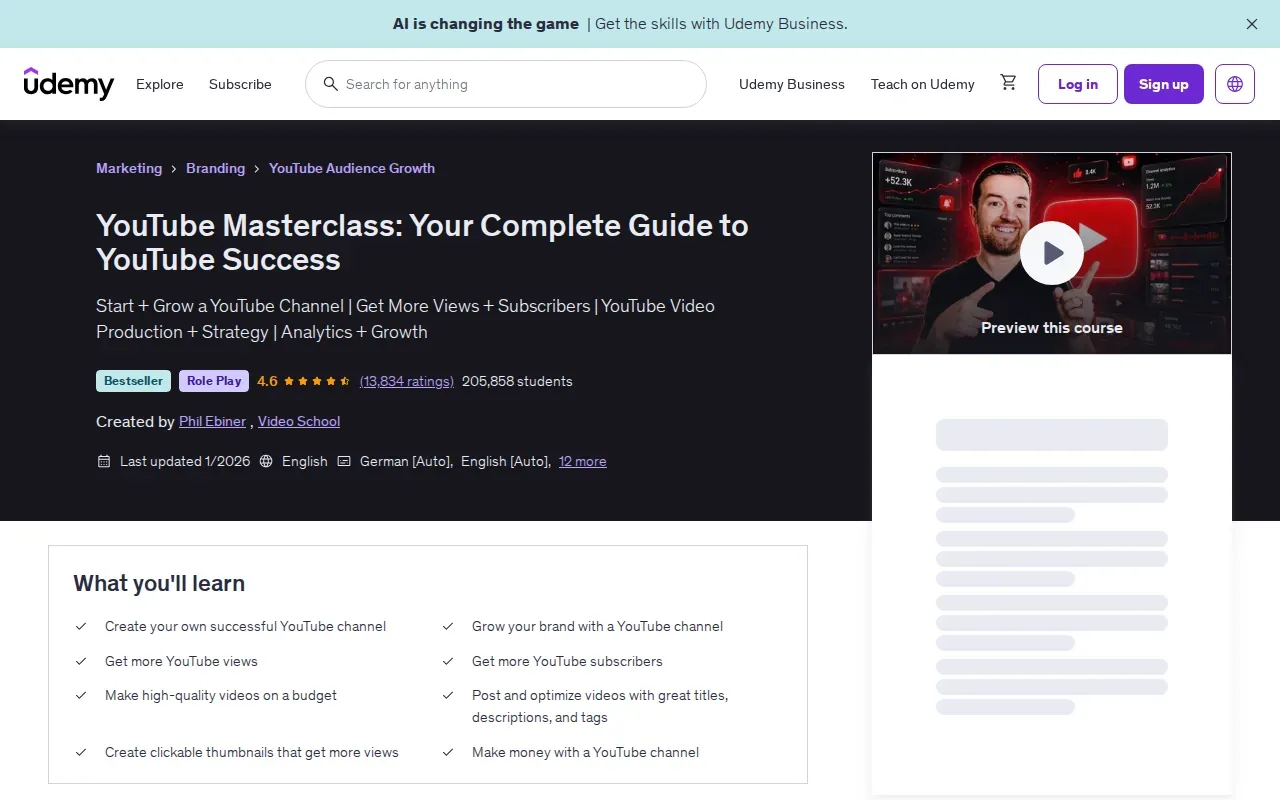
What sets it apart is the AI‑enhanced module that teaches you how to prompt AI assistants for title ideas and quick edits. You’ll learn to keep your why front‑and‑center, a habit that keeps viewers coming back. Wikipedia explains why video marketing drives higher conversion rates than static ads, and this course applies that principle with concrete examples.
Best for creators who want a single, complete roadmap without hunting for scattered tutorials.
3. Faceless Channel Academy: A free entry point for faceless YouTube
Faceless Channel Academy (FCA) teaches you how to launch a profitable YouTube channel without ever appearing on camera. The curriculum covers niche selection, AI‑assisted scripting, outsourcing video editing, and building multiple income streams from affiliate sales and sponsorships.
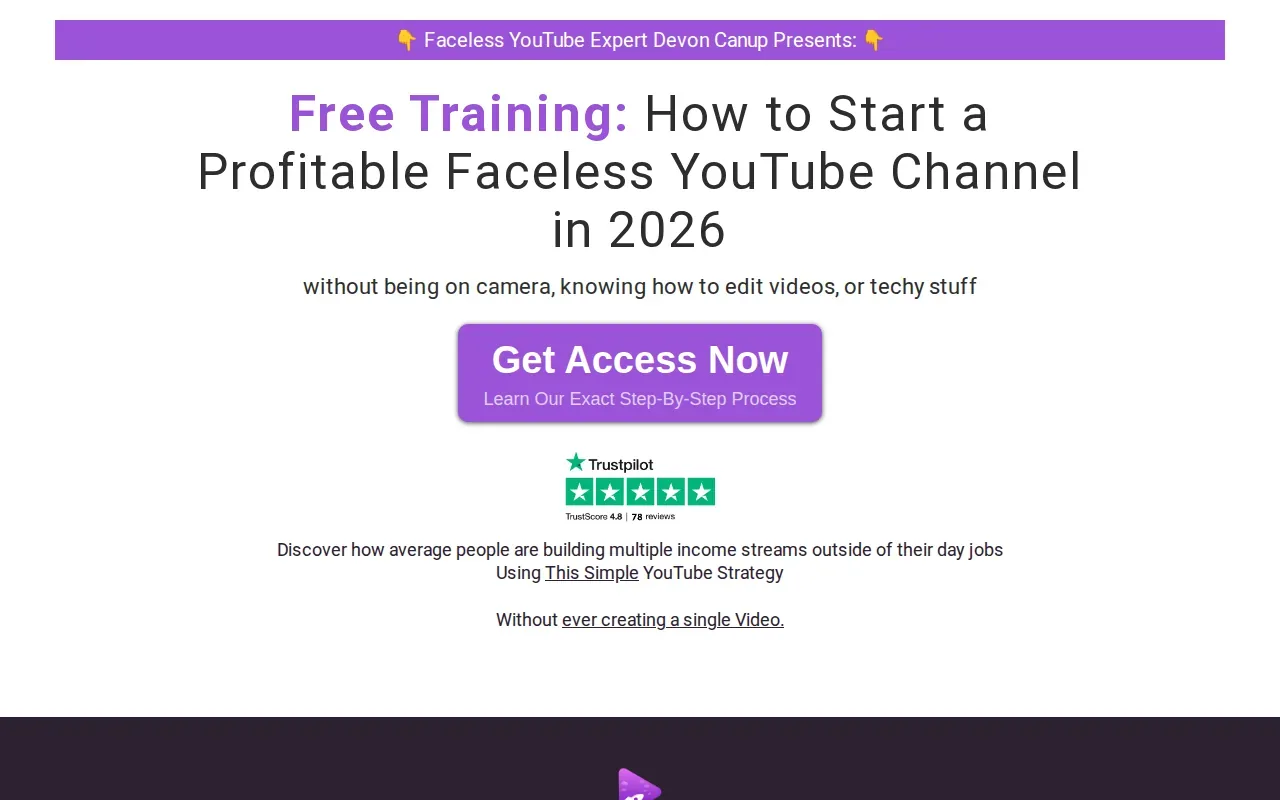
Because it’s a free entry point, you can test the model before committing to any paid mentorship. Reviews on AllPros note that students have hit monetization milestones within weeks, though results vary based on effort and niche choice. The program’s strength is its clear business model around outsourced production, which lowers the barrier for non‑creatives.
Best for people who want to focus on strategy and revenue while letting freelancers handle the video work.
4. YouTube Shorts Create Winning Content by Coursera: Short‑form strategy
This Coursera specialization teaches you to craft YouTube Shorts that capture attention in the first few seconds. You’ll learn the technical specs, how to spot trends, and how to repurpose long‑form ideas into bite‑size clips. The course also walks you through using video-editing tools and AI‑driven caption generators to keep production fast.
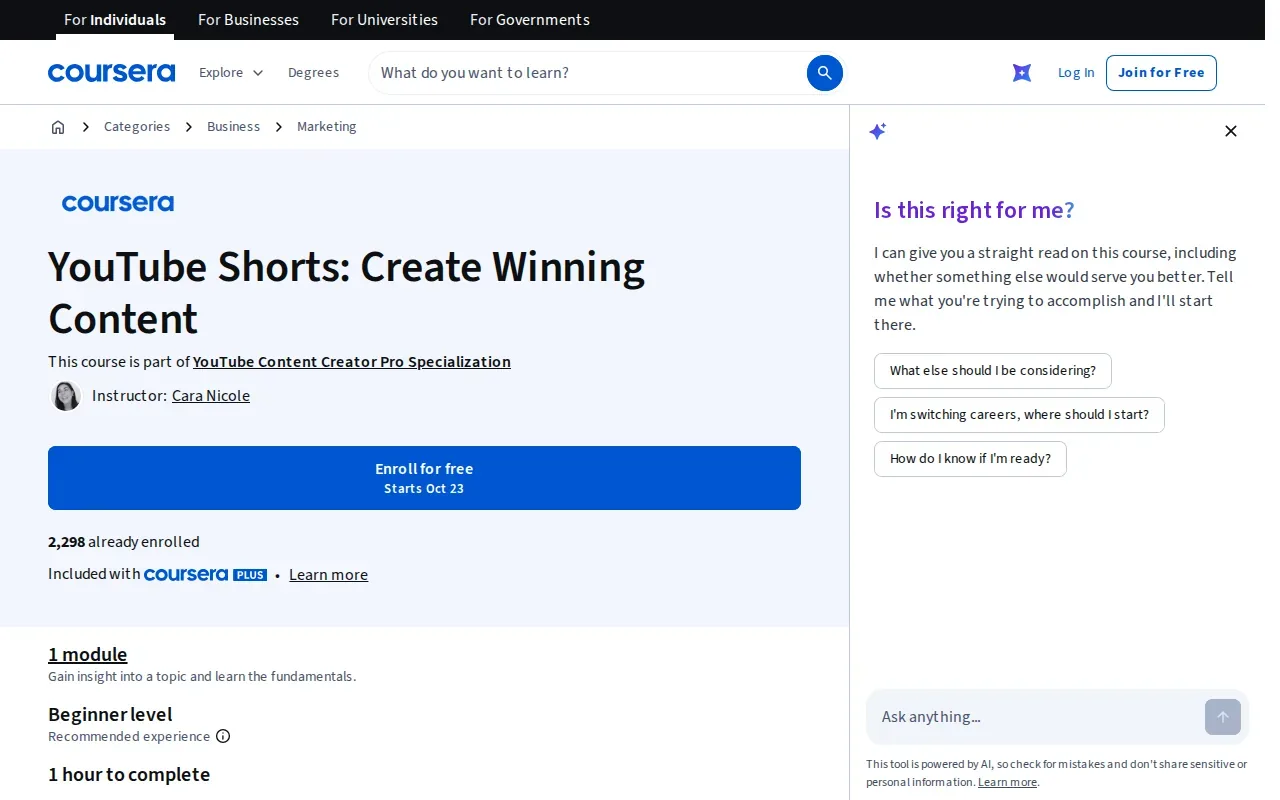
Shorts are a growth engine because they surface on the mobile home feed, reaching users who might never click a regular video. The curriculum includes two assignments that require you to publish and iterate on three Shorts, giving you hands‑on data to refine your hook.
Best for marketers who already have a long‑form channel and want to add a quick‑turn, high‑visibility format.
5. YouTube Analytics Optimize Performance by Coursera: For channel owners improving results
When you already publish videos, this Coursera guided project shows you how to turn raw analytics into actionable decisions. You’ll learn to read audience retention curves, benchmark against industry averages, and use AI tools that summarize performance patterns.
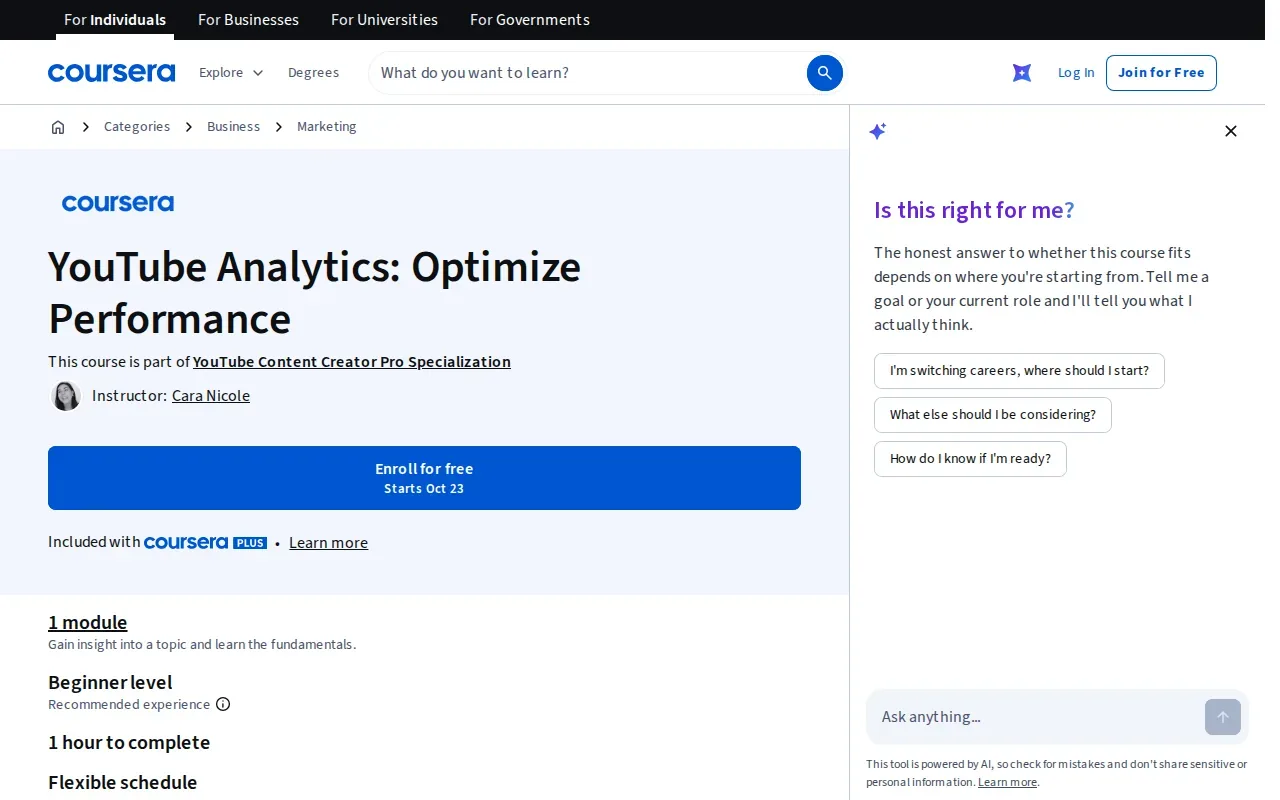
The course walks you through optimizing titles, thumbnails, and video structure based on data, then sets up a regular reporting cadence. By the end, you’ll have a custom dashboard that highlights the metrics that matter most to your niche.
Best for creators who need a data‑driven upgrade to their existing workflow.
6. TikTok Academy: Platform‑specific marketing education
TikTok Academy offers learning programs for digital marketers focused on advertising. The programs aim to help digital marketers become experts in advertising, making the academy an option for those seeking advertising education.
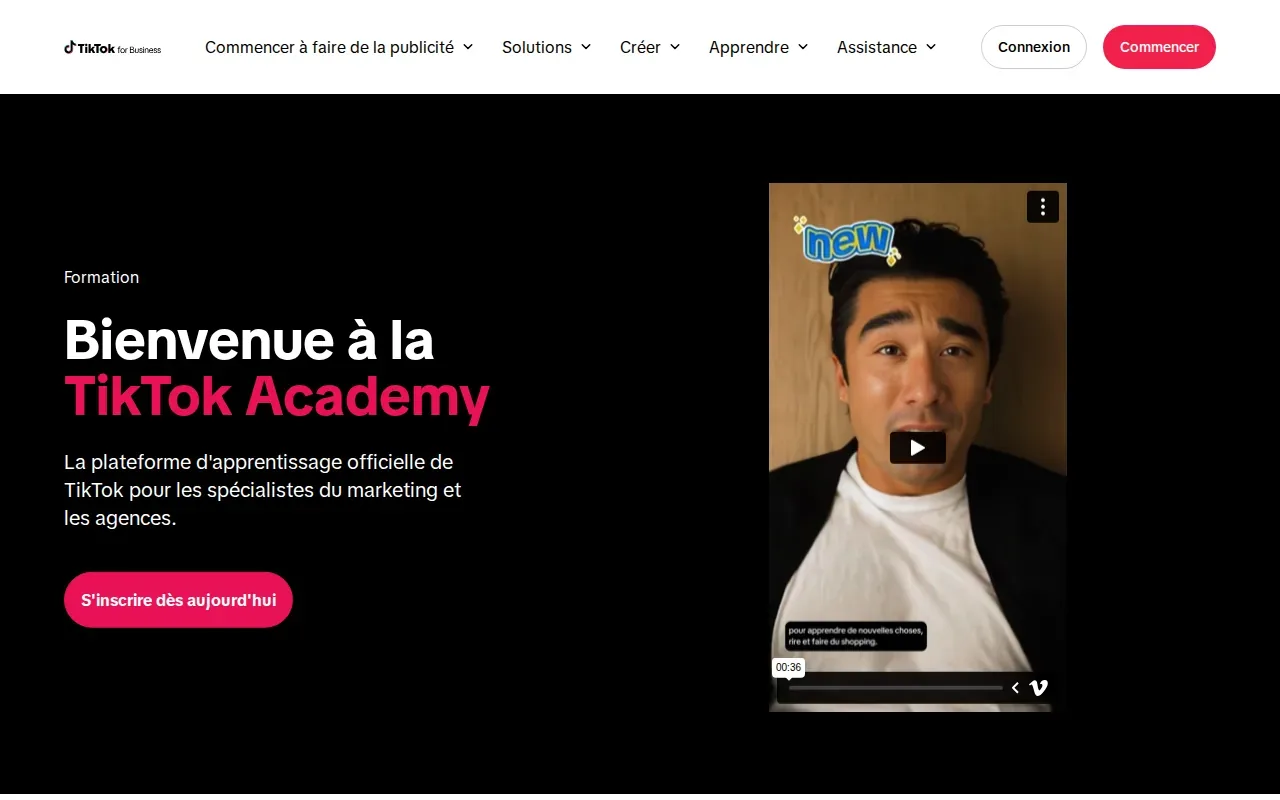
Best for digital marketers who want to develop expertise in advertising through TikTok Academy’s learning programs.
How Do These Video Marketing Courses Compare?
| Course | Focus Area | Length / Format | Best For | Key Caveat |
|---|---|---|---|---|
| DiSousa | Full‑stack marketing system | Ongoing membership | Marketers who need email, CRM, and affiliate integration | Not a video‑only library |
| YouTube Masterclass (Udemy) | Channel growth & monetization | 9 hours video | Creators seeking a single, complete roadmap | Price varies with Udemy promotions |
| Faceless Channel Academy | Faceless channel building | Free entry, paid mentorship optional | Those who prefer outsourcing production | Results depend on niche selection |
| YouTube Shorts (Coursera) | Short‑form strategy | Self‑paced modules | Existing YouTubers adding Shorts | Requires basic channel foundation |
| YouTube Analytics (Coursera) | Data‑driven optimization | Project‑style lessons | Channels with published content | May need additional tools for deep analysis |
| TikTok Academy | TikTok advertising & content | Modular, certificate path | Marketers expanding to TikTok | Focuses on TikTok only |
Pro Tips for Getting Value From Video Marketing Training
1. Treat every lesson like a sprint. Set a one‑week deadline to apply a new tactic, then measure the result before moving on.
2. Use a spreadsheet to log the exact metrics you improve, click‑through rate, average view duration, or subscriber growth. Seeing numbers change reinforces the habit.
3. If a course offers AI‑prompt examples, copy the prompts into your own tool (ChatGPT or another AI tool) and test them on real video ideas. That turns theory into a repeatable process.
4. Join the community or forum that comes with the course. Peer feedback often surfaces shortcuts you won’t find in the video lessons.
5. Combine free resources (Wikipedia’s YouTube page) with paid modules to fill gaps without overspending.
What Should You Check Before Enrolling?
- Course update date, a 2026‑updated syllabus means the material reflects the latest algorithm changes.
- Instructor credibility, look for real creator or educator backgrounds, not just marketing hype.
- Hands‑on assignments, courses that force you to publish a video or build a dashboard give you something to show for the time spent.
- Refund policy, understand the terms; many platforms allow a 30‑day money‑back guarantee.
- Support level, live Q&A, mentorship calls, or a private Slack can make a huge difference when you hit a roadblock.
When you compare options, score each against the checklist above. The highest‑scoring pick usually aligns best with your current skill set and growth goals.
Conclusion
If you need a full‑stack system that ties video to email and affiliate revenue, start with DiSousa. For a hands‑on, video‑only roadmap, the Udemy Masterclass is the next logical step.
Income Disclaimer
Results shown are not typical. Individual earnings depend on effort, niche, and market conditions. We make no guarantees about income.
Frequently Asked Questions
What is the best video marketing course for a complete beginner?
The free entry point of Faceless Channel Academy is one option; TikTok Academy also offers learning programs.
Do I need to know video editing before taking a course?
You don’t need expert editing skills; most courses include basic editing tutorials or recommend simple editing tools.
How long do these courses usually take?
Lengths vary: Udemy’s Masterclass is nine hours of video, Coursera’s Shorts course focuses on short-form strategy, while DiSousa’s membership is ongoing.
Can I get a certificate for these courses?
Coursera issues shareable certificates. Udemy provides a completion badge, and DiSousa offers internal credentials but not an industry‑wide certificate.
Are there any free video marketing courses worth my time?
Yes. Faceless Channel Academy is a free entry point for people interested in building faceless YouTube channels.
Sources and References
- Video marketing definition, Wikipedia
- YouTube Shorts, Wikipedia
