
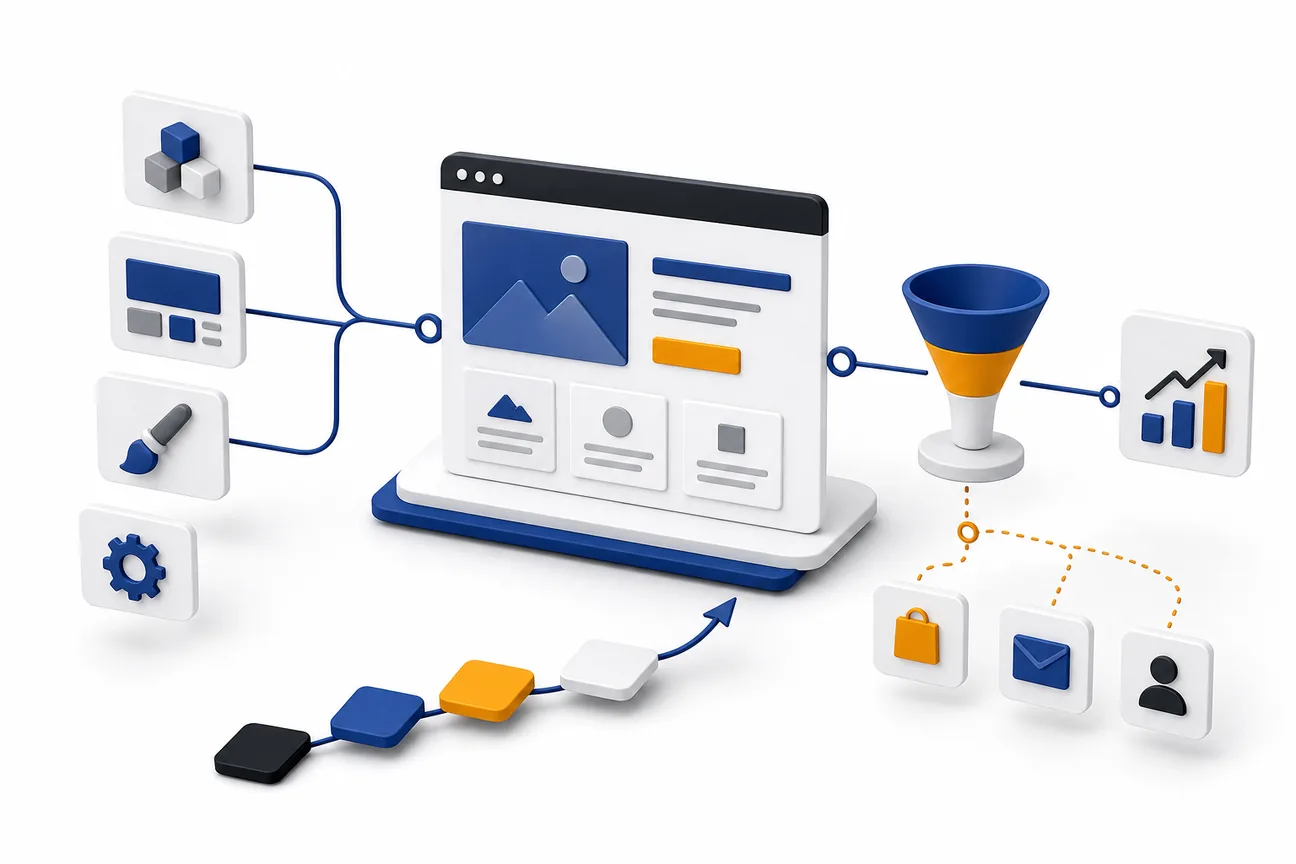
The best landing page builder for affiliate marketing depends on what your campaign needs: a simple page, a tracked funnel, or a way to test different offers. Here are seven options, with a close look at the affiliate features we can verify and the details to check before you pay.
- ConvertFlow has the clearest affiliate-specific feature set in this group, including one-click tracking integrations, A/B testing, and more than 100 affiliate landing page templates.
- Systeme.io combines website creation with affiliate marketing tools, while broader builders may suit campaigns that need page testing or team workflows.
- Leadpages lists plans starting at $29 per month, with A/B testing from its Grow plan.
1. Systeme.io: an all-in-one option for a lean affiliate setup
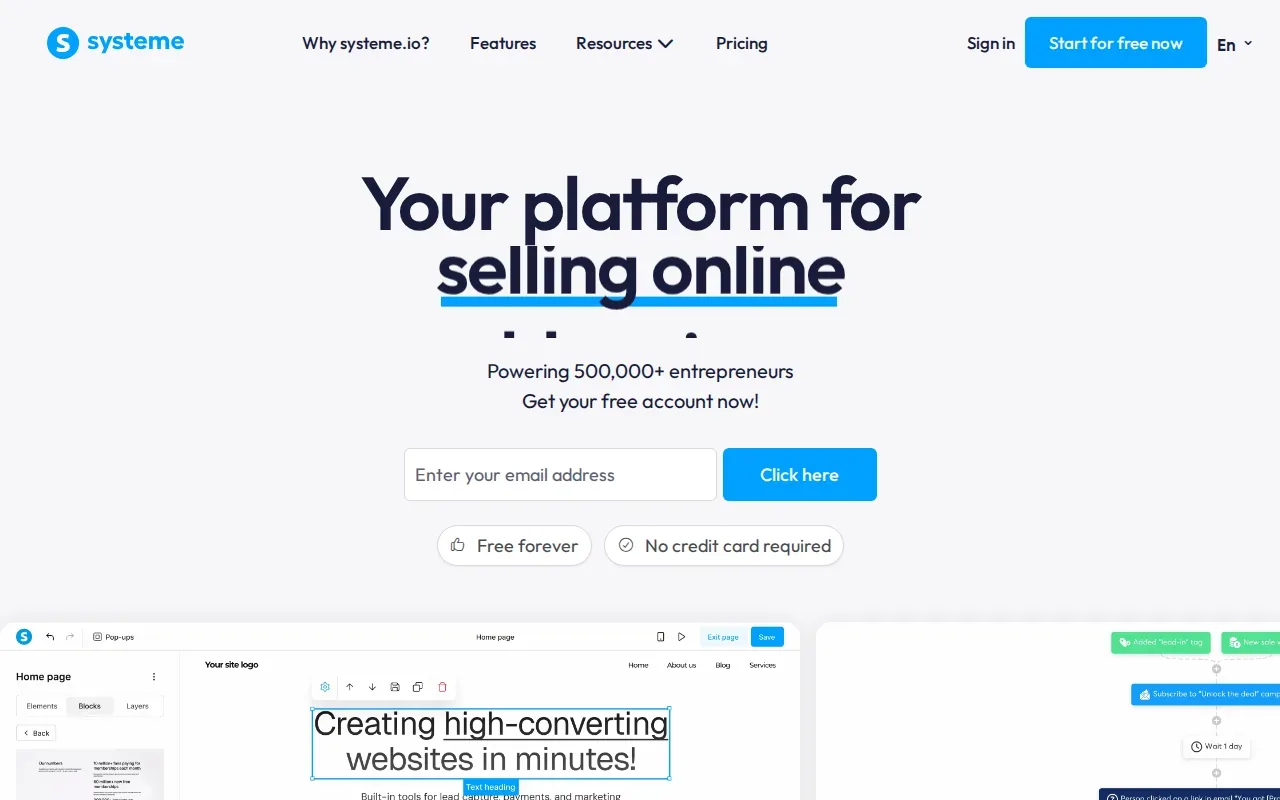
Systeme.io is a platform for creating websites and managing affiliate marketing in one place. Its features include website editing tools, landing and sales page creation, and conversion automation. That makes it a reasonable option to assess if you want your site and campaign work under one roof.
For an affiliate campaign, start by mapping the visitor’s path. A reader might land on an article, join an email list, then follow a tracked link to an offer. Before building, check that the parts you need can work together: the page, your email capture, and the affiliate link used at the point of recommendation.
The key distinction is scope. Systeme.io is an all-in-one affiliate platform, not only a landing page editor. That can help if you’re setting up a basic online business alongside pages. But broader scope alone doesn’t tell you whether a specific campaign needs split testing, a particular network connection, or a certain reporting view. Verify those tasks in the product before you commit.
Keep the first page focused. Give the offer a clear headline, explain who it suits, and put the affiliate link beside the claim it supports. If the page collects email addresses, tell visitors what they’ll receive. For help with the site that holds your pages, DiSousa also has a guide to website builders for affiliate marketing.
Systeme.io makes most sense to evaluate when you value a combined website and affiliate setup. Compare its exact campaign workflow against a specialist page builder before you decide.
2. ConvertFlow: AI-assisted personalization and testing
ConvertFlow has the strongest verified set of affiliate-focused page features in this shortlist. Its affiliate page builder uses AI to create and personalize pages, and it includes built-in A/B split testing, mobile-responsive layouts, a drag-and-drop editor, and one-click affiliate tracking integrations.
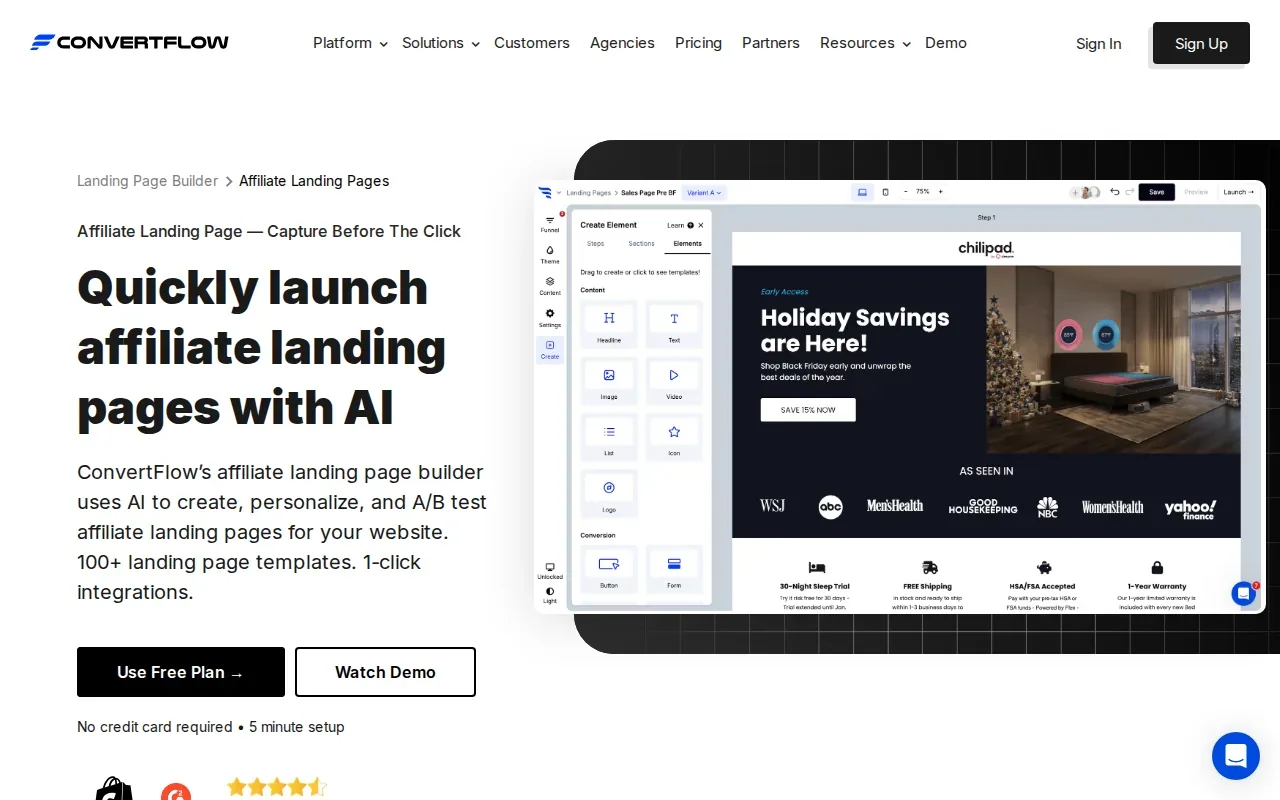
Its library includes more than 100 professionally designed affiliate landing page templates. The examples cover formats such as product highlights, listicles, and pages with comparison tables. A template gives you a starting structure, but it doesn’t replace checking the offer’s claims or adding your own disclosure.
Testing is useful when you have a clear question. For example, compare a page that leads with a product benefit against one that opens with the problem the product addresses. Change one main element at a time, then review whether the version you prefer earns more of the action you want. ConvertFlow describes built-in split testing and reporting on leads and revenue generated by landing pages.
The platform also describes personalization based on visitor activity, forms for collecting contact details, and funnel paths shaped by answers or actions. A free tier lets users build a funnel at no cost. That gives a new affiliate a way to test the page-building workflow before committing to a paid setup, though the available tier and terms should be checked before launch.
Systeme.io is an all-in-one affiliate platform, while ConvertFlow offers deeper features for affiliate page creation, tracking integrations, and testing. If those exact tasks matter most, ConvertFlow is the clearer fit on the facts available. Its range of features may be more than a simple one-page campaign needs.
3. Leadpages: templates, testing, and marketing integrations
Leadpages combines AI page creation with templates, testing, analytics, and built-in marketing integrations. Its AI builder can generate an editable page from a short prompt, then let you adjust it in a drag-and-drop editor. That approach may suit an affiliate who wants a draft quickly, but still plans to review each claim and link before publishing.
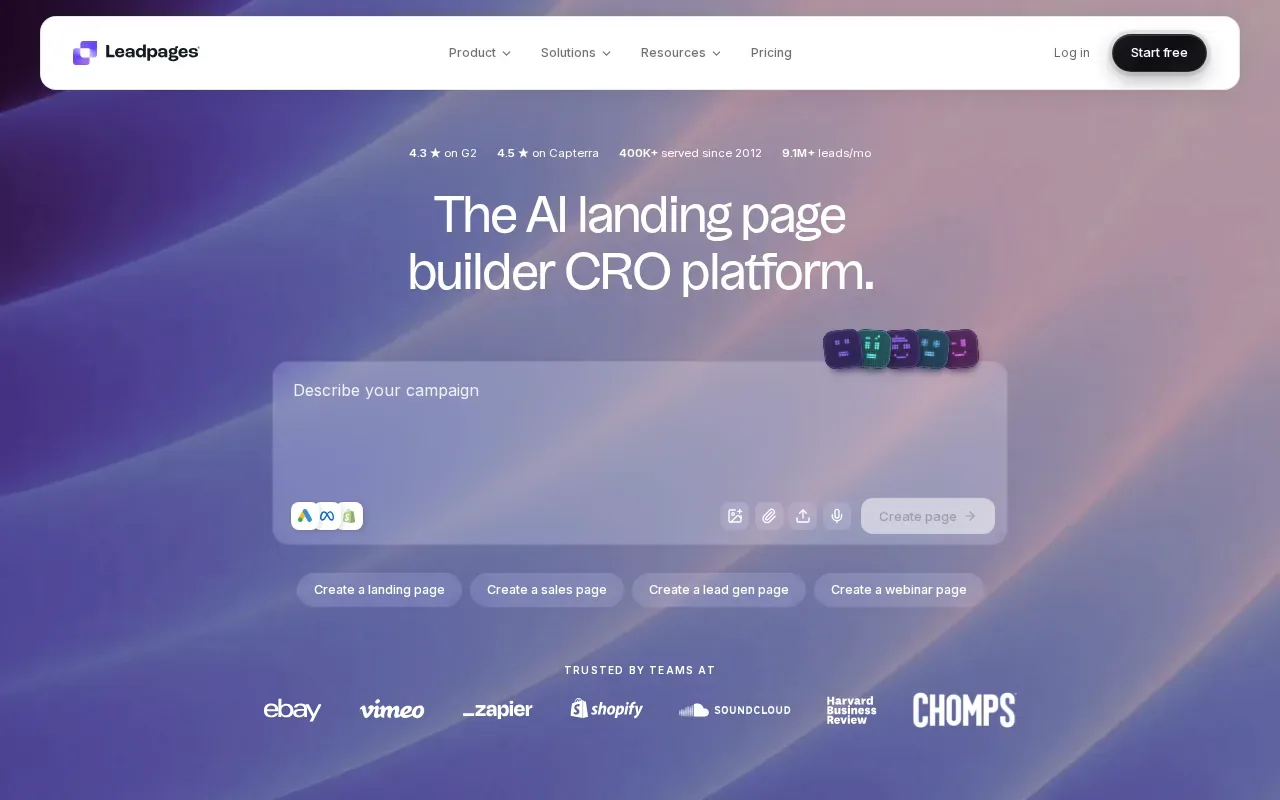
Leadpages lists plans starting at $29 per month. Its pricing page places manual A/B testing on the Grow plan and above, while Optimize adds heatmaps. Leadpages offers monthly and annual billing. Check the current plan terms before purchase, since prices and plan contents can change.
For affiliate work, decide what “testing” needs to mean for your page. A headline test asks whether one promise gets more link clicks. A heatmap can help you see where people click or how far they scroll, while a page analytics view can help you compare outcomes. Those are different questions, so don’t pay for a feature until you know what decision it will help you make.
Leadpages says its pages adapt across desktop, tablet, and mobile. Still, preview the actual page on a phone before sending traffic. Check that the offer is easy to understand near the top, that the disclosure is visible, and that the affiliate link works as expected.
Affiliate links should be clear to readers. A relationship that could affect how people judge an endorsement should be disclosed clearly. Put your disclosure where readers can see it near the recommendation, rather than relying on a footer alone.
Leadpages is worth comparing when the value of AI-assisted drafting and built-in testing fits your campaign budget. Its listed plan prices give you a concrete starting point for that comparison.
4. Unbounce: a testing-focused choice for optimization-minded affiliates
Unbounce is one of the page builders to assess if your main goal is to improve a campaign through testing. Check its affiliate-link handling, plan prices, and test features before you buy.
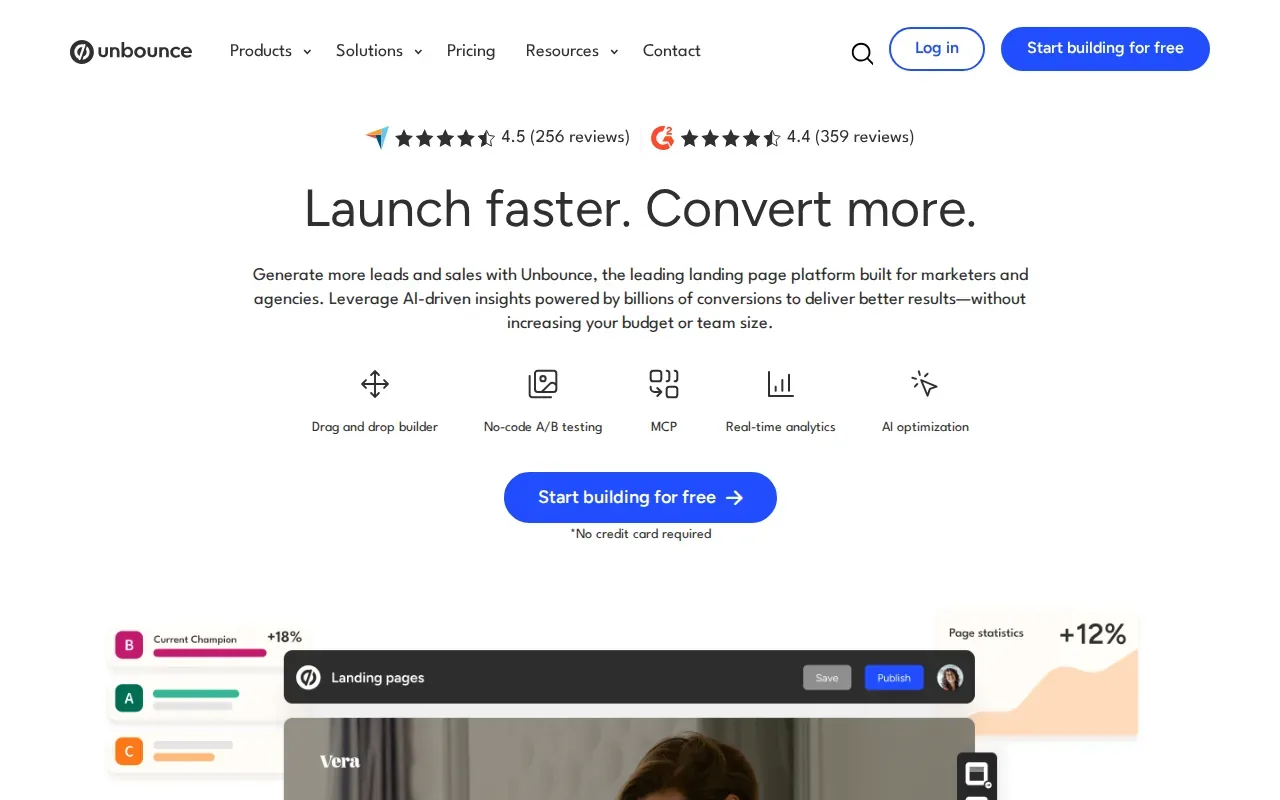
Start by writing down the decision you need the tool to support. Do you want to compare two headlines, find out which page layout gets more affiliate-link clicks, or see whether a sign-up form is distracting from the offer? A builder is useful when it helps you run the test and read the result without adding extra steps to your workflow.
For any platform you’re considering, confirm the test setup before you pay. Check whether you can direct traffic to different page versions, whether the reporting tracks the action you care about, and whether your existing affiliate links remain intact. A page view alone won’t tell you whether a visitor clicked through to an offer.
Keep your test narrow. If you change the headline, button text, image, and offer placement at once, you won’t know which change affected the result. Make one clear edit, keep the rest of the page steady, then use the same tracking method for each version.
Page speed deserves a place in the review, too. A heavy page can make the mobile experience frustrating, while a slow load can get in the way of a visitor reaching the offer. Review load time and page behavior on the published page, not only in the editor.
Unbounce belongs on your shortlist if you’re prepared to verify its current testing workflow and reporting against your campaign goals. Don’t infer affiliate tracking or pricing from the product category alone.
5. Instapage: a landing-page workspace for campaign teams
Instapage is a no-code landing page builder with AI-generated copy, reusable content blocks, collaboration tools, and in-app testing and reporting. That could suit a team that needs to make and update campaign pages at scale.
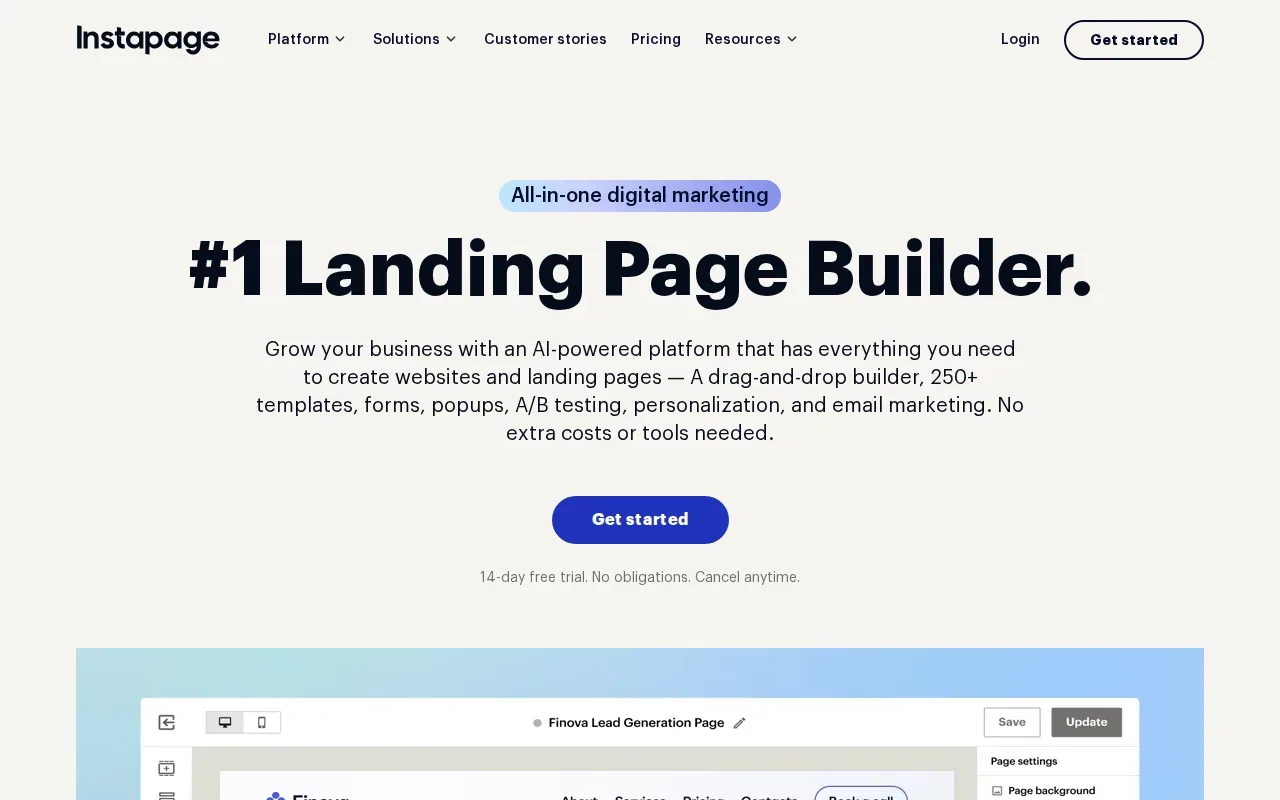
Reusable blocks can help when several pages share the same disclosure, brand note, or call to action. Update a shared block once, then check the pages that use it. For an affiliate team, this can reduce the chance that a campaign’s key wording drifts across separate landing pages.
Instapage also describes a drag-and-drop editor, global brand assets, and more than 500 customizable templates. Its page builder connects with more than 120 apps across areas such as CRM, email, advertising, and marketing automation. The reported testing and analytics include page variations and measures such as visitors, conversions, and cost per lead.
Think through permissions and review steps before moving a team workflow into any builder. Decide who drafts the page, who checks the affiliate disclosure, and who confirms each destination link. A shared workspace helps only if people know which version is ready to publish.
For affiliate pages, personalization should make the offer more relevant without changing its meaning. If you tailor copy to an ad group, make sure the headline still matches the page and the product you recommend. Keep the disclosure close to the claim, even if the page has multiple versions.
Instapage is a candidate for teams that need repeatable page work and collaboration. Confirm the plan that includes the features you need, then test a complete publishing and review cycle before shifting every campaign.
6. ClickFunnels: funnel-building features for multi-step affiliate campaigns
ClickFunnels describes its platform as a way to market, sell, and deliver products or services online without relying on a technical team. That broader focus makes it worth assessing when an affiliate campaign has more than one page or action, rather than a single presell page with one outbound link.
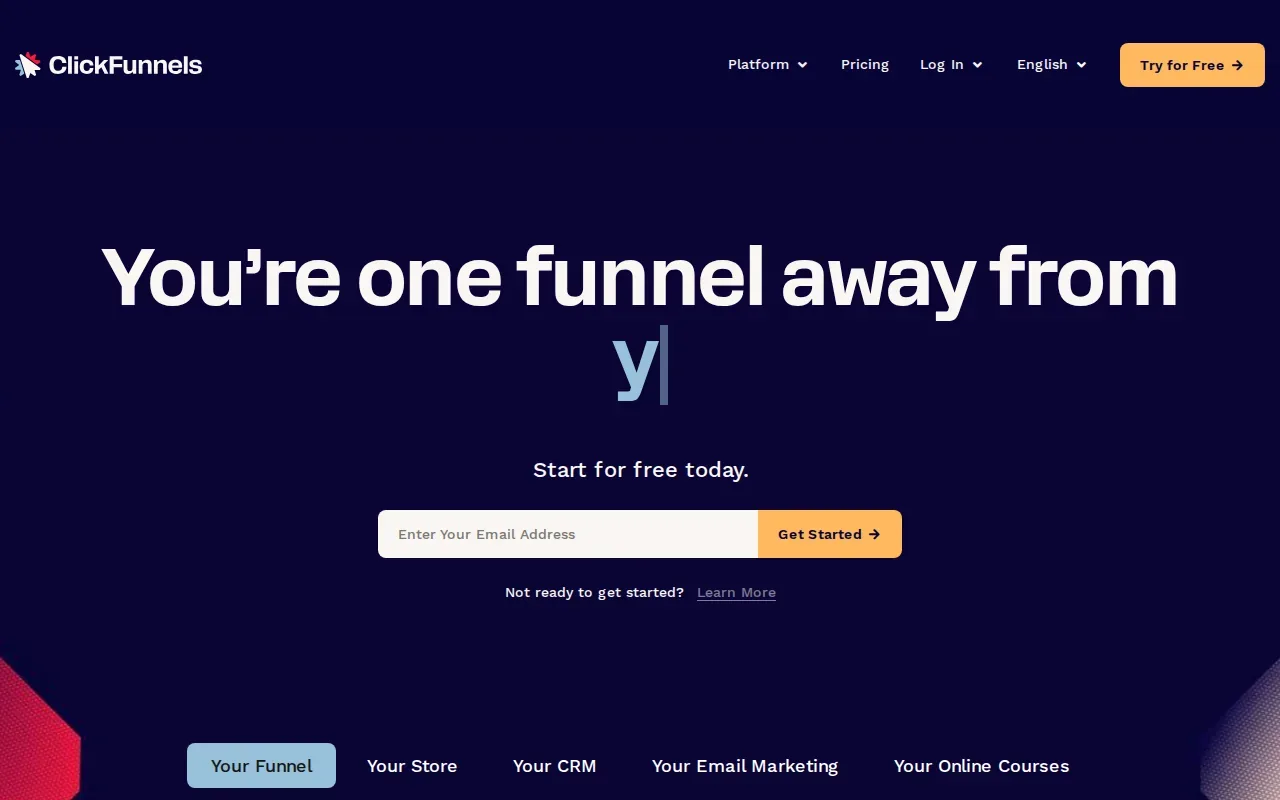
Draw the path before you build. A visitor could arrive on a campaign page, choose whether to read more, and then reach an affiliate offer. At each point, decide what the next action should be. This keeps the page sequence tied to the reader’s intent instead of adding steps just because the builder can support a funnel.
For an affiliate campaign, the most important check is link continuity. Confirm that the final destination uses the correct affiliate URL. Then test the path from the first page through each next step, including any buttons or forms. If you use separate offers for different audience groups, label the links in your own records so you can trace clicks later.
Don’t assume a funnel builder automatically provides the tracking you need. Ask whether it reports the action that matters to you, such as a button click or form submission, and whether that data can be compared with the affiliate program’s own reports. Those systems may count different events, so you’ll want to know what each number means.
Likewise, check how much work it takes to keep a multi-page campaign current. When an offer changes, you may need to update more than one page. A simple page map can help you find every link and claim that needs review.
ClickFunnels is best assessed as a broader funnel-building option, not automatically as a specialist affiliate landing page tool. If your campaign needs a longer sequence, test that sequence from the visitor’s first click to its final destination before committing.
7. Landingi: a page-building option to assess for templates and localization
Landingi is another option to compare when you’re choosing a landing page builder.
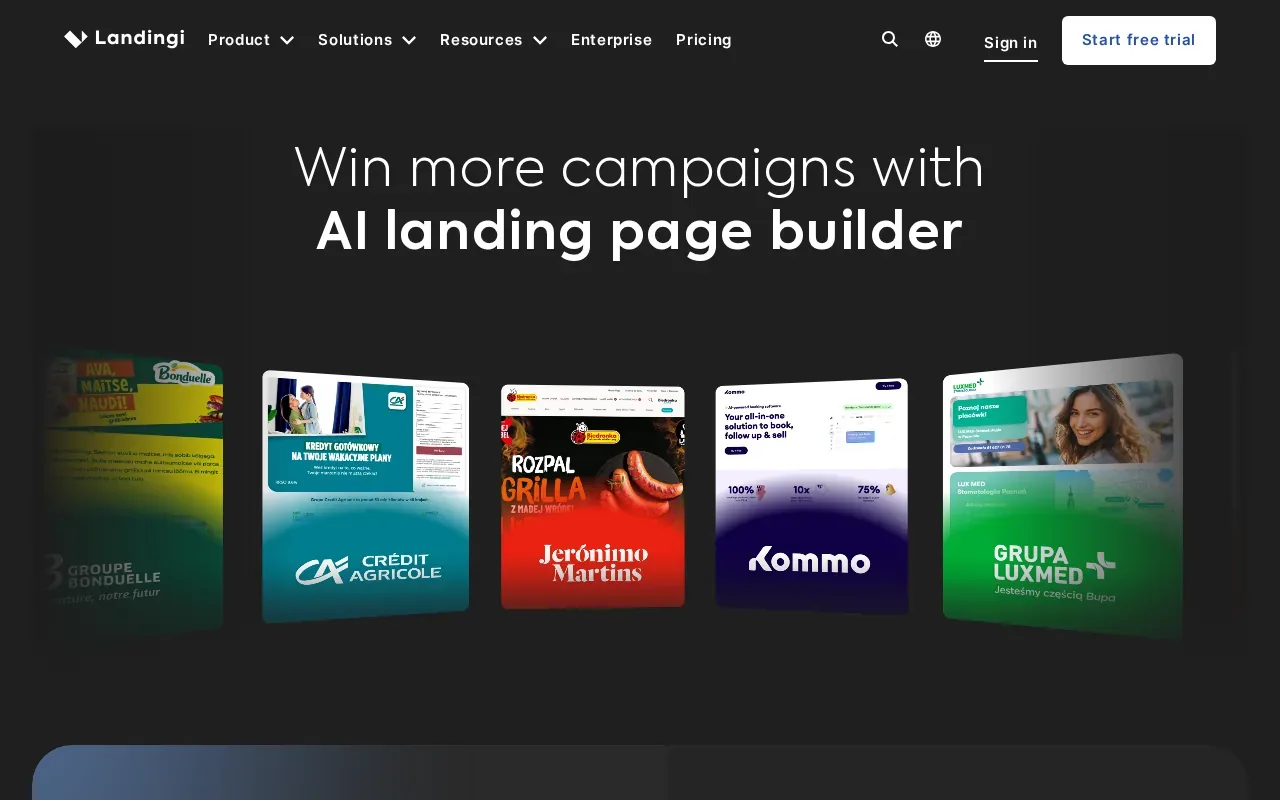
For international affiliate traffic, ask whether you can publish and maintain the language versions you need. Check that each localized page uses the right offer link and disclosure. A translated headline is only part of the job; the page should still make the offer clear to people in that market.
Here’s a quick comparison of the seven options.
| Option | Decision cue | What to check for your campaign |
|---|---|---|
| Systeme.io | Website creation, landing and sales pages, conversion automation, and affiliate platform tools. | Check the tracking, test, and reporting workflow your offer needs. |
| ConvertFlow | One-click affiliate tracking integrations, built-in A/B testing, AI creation, and 100+ affiliate landing page templates. | Confirm the free tier and paid plan fit your intended launch. |
| Leadpages | AI page creation, testing, analytics, templates, and marketing integrations. Plans start at $29 per month. | Match plan features and billing terms to your testing needs. |
| Unbounce | See website | Verify affiliate link handling, test reporting, and current plan terms. |
| Instapage | AI copy, reusable blocks, collaboration, testing, and 120+ app connections. | Check the plan and app connection needed for your workflow. |
| ClickFunnels | Marketing, selling, and product delivery in a broader platform. | Test the full path and confirm how its reporting fits affiliate tracking. |
| Landingi | Page builder and A/B testing help material. | Verify template, localization, tracking, and pricing needs directly. |
Use the table to narrow the shortlist, then compare the actual work involved. A low starting cost is less useful if you need another tool to report clicks or maintain campaign pages. And a long feature list won’t help if your current campaign needs only one clear page.
DiSousa’s guide to creating an affiliate website can help you decide how a landing page fits into the wider site. For a page-builder decision, write down the exact offer, traffic source, and action you want to measure before signing up.
Landingi should be evaluated against those tasks rather than a broad feature label. If localization is essential, test a translated page and its links as part of your trial process.
Frequently asked questions
What is the best landing page builder for affiliate marketing?
ConvertFlow has the clearest verified affiliate-specific feature set in this shortlist. It includes one-click affiliate tracking integrations, built-in A/B testing, AI-assisted page creation, and more than 100 affiliate landing page templates. Systeme.io is worth comparing if you want website creation and affiliate tools in one platform. Your best fit depends on the page and tracking tasks you need.
Do I need a landing page for affiliate marketing?
No, you don’t always need a separate landing page. You can place affiliate links in useful website content, while a focused page can give a campaign one clear destination. Choose based on the traffic source and the information readers need before they click. Make sure any affiliate relationship is disclosed clearly near the recommendation.
Which landing page builder has affiliate link tracking?
ConvertFlow is the option in this shortlist with verified one-click affiliate tracking integrations. For any other builder, check the exact integration or tracking method you plan to use. Test a link from the published page and compare its click data with the affiliate program’s reporting, since the two systems may count different events.
How much does a landing page builder cost?
Leadpages offers monthly and annual billing. ConvertFlow has a free tier that lets users build a funnel. Prices and plan terms can change, so review the current offer before you buy. Compare the full cost of the features you’ll actually use, not just the entry plan.
Can I use a website builder as an affiliate landing page builder?
Yes. A website builder can host a focused affiliate page, especially if you already use it for your site. A dedicated landing page builder may be a better match when you need page tests or campaign-specific tools. Before you choose, check that the page works on mobile and that your links, disclosure, and measurement setup work as intended.
Conclusion
For affiliate-specific page features, ConvertFlow is the clearest pick in this shortlist; Systeme.io is a sensible option to assess for an all-in-one setup. DiSousa is an education resource, not a landing page builder, and can help you plan the wider affiliate system around your pages. Start by mapping one campaign and checking its link tracking, disclosure, and mobile view before you commit to a platform.
Income disclaimer: Affiliate marketing income isn’t guaranteed. Results depend on factors such as your offer, audience, traffic, and work over time.
