
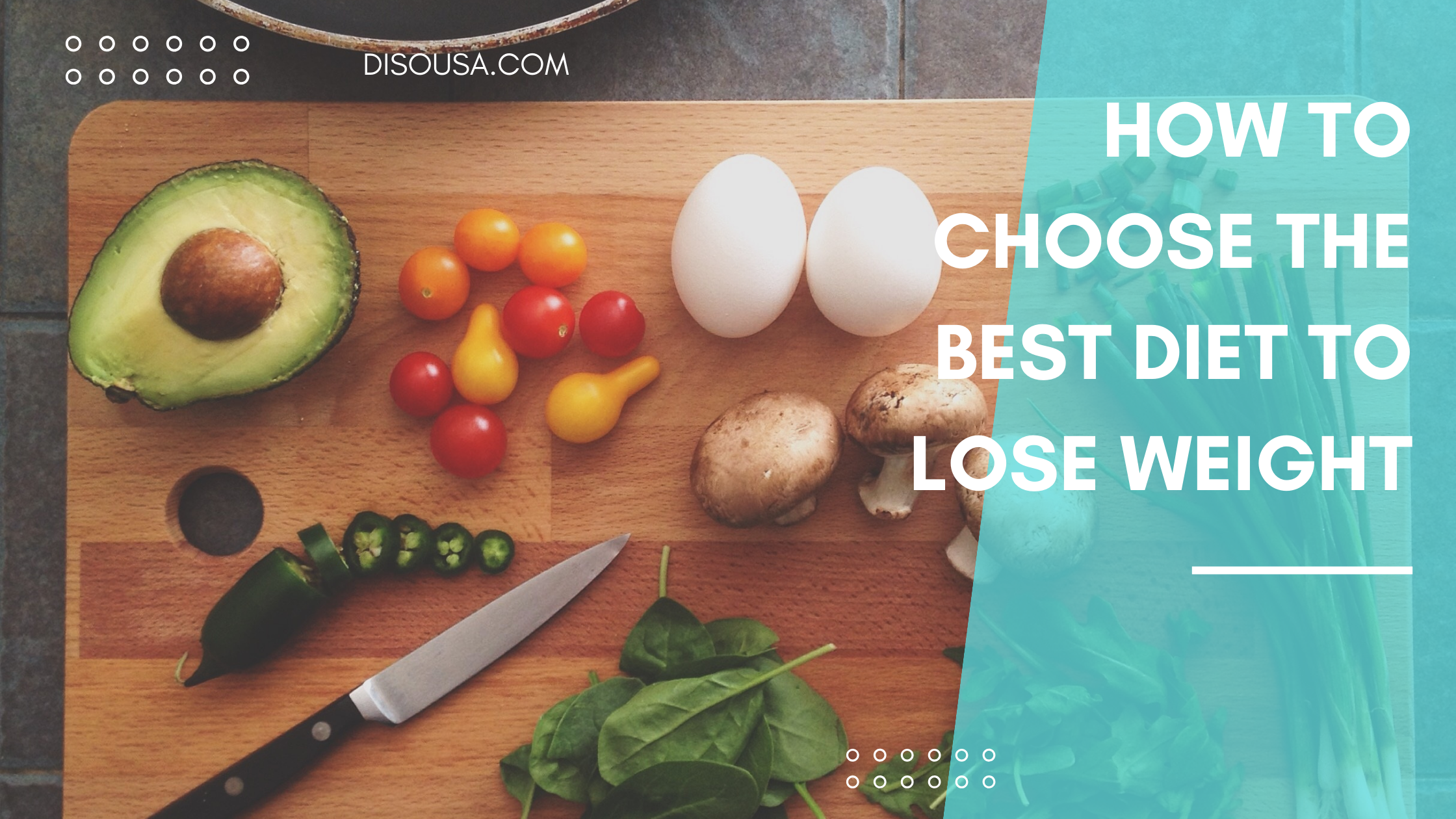
How to Choose The Best Diet to Lose Weight? this can be one of the first questions people asks. Losing weight is a goal that many people strive for, one of the keys to success is choosing the right diet.
With a plethora of diet options available, the decision can be overwhelming. However, selecting the best diet for you is crucial to achieve your weight loss goals in a sustainable and healthy manner.
In this blog, we’ll explore how to choose the best diet to lose weight and find the one that’s right for you.
How to Choose The Best Diet to Lose Weight – Your Weight Loss Goals
When assessing your weight loss goals, it’s essential to be specific and realistic. For example, if you want to lose 20 pounds, break it down into smaller, achievable milestones.
Understand your reasons for wanting to lose weight, whether it’s for health reasons, to improve your self-esteem, or for an upcoming event.
Determining your desired rate of weight loss is also crucial – some people aim for a steady and gradual loss, while others may prefer a more aggressive approach. Knowing your goals will help you choose a diet that aligns with your expectations.
Finally, to start and begin with not to mention i do ready a lot of blogs and there is a few ones i do follow, but for today i will mention one only and is love sweat fitness.
Understanding Different Diet Approaches
Let us help you gain a deeper understanding of your options when choosing a diet to lose weight.
Diets Low-Carbs : focus about reduce your carbohydrate intake. These diets often emphasize foods like lean meats, fish, nuts, seeds, and non-starchy vegetables while limiting foods high in carbohydrates such as bread, pasta, and sugary snacks.
A well-known low-carb diet is the ketogenic diet, which aims to shift your body into a state of ketosis, where it burns fat for energy.
Low-Fat Diets: Low-fat diets are designed to reduce fat intake, particularly saturated fats. These diets encourage the consumption of foods like fruits, vegetables, whole grains, and lean proteins while limiting high-fat foods like butter, cheese, and fried foods. The Ornish Diet is an example of a low-fat diet that promotes heart health and weight management.
Alternative -Day Fasting: is an eating pattern that alternates between periods of fasting and eating. It doesn’t prescribe specific foods but focuses on when you eat.
Common intermittent fasting methods include the 16/8 method (fasting for 16 hours and eating within an 8-hour window) and the 5:2 method (eating normally for five days and drastically reducing calorie intake for two non-consecutive days).
Plant-Based Diets: Plant-based diets emphasize the consumption of fruits, vegetables, legumes, nuts, and whole grains while minimizing or eliminating animal products.
Vegetarian and vegan diets are examples of plant-based diets. They are known for their potential to improve health and support weight loss, while also aligning with ethical and environmental concerns.
Mediterranean Diet: Draws the inspirations in the traditional bordering of the Mediterranean Sea on its eating patterns of countries. It focuses on whole foods like olive oil, whole grains, lean proteins, and plenty of fruits and vegetables. This diet is praised for its heart-healthy qualities and may aid in weight management.
Understanding these different diet approaches is the first step in choosing the right one for your weight loss journey. Each approach has its unique strengths and considerations, and by exploring them, you can make an informed decision that aligns with your goals and lifestyle.
Your Health and Dietary Restrictions
When selecting the How to Choose The Best Diet to Lose Weight, it’s crucial to consider your individual health and any dietary restrictions you might have. These factors can significantly influence your diet choice.
Underlying Health Conditions: Think about any pre-existing health conditions you may have. For instance, if you have diabetes, you might need a diet that helps control blood sugar levels.
Individuals with heart disease may require a diet low in saturated fats. Consulting with a healthcare professional can provide personalized recommendations based on your specific health needs.
Food Allergies and Sensitivities: It’s essential to be aware of any food allergies or sensitivities you may have. If you’re allergic to certain foods, those should be avoided in your chosen diet. Similarly, if you have sensitivities, like lactose intolerance or gluten sensitivity, you need to find a diet that accommodates these restrictions.
Cultural and Ethical Dietary Restrictions: Some individuals adhere to diets based on cultural, religious, or ethical principles. These restrictions can range from vegetarianism to veganism, or diets that align with specific religious practices.
When choosing a diet, it’s important to consider how it fits with your cultural and ethical beliefs. Fortunately, many popular diets can be adapted to meet these requirements.
By taking your health and dietary restrictions into account, you can ensure that your chosen diet not only helps you lose weight but also supports your overall well-being and values.
It’s crucial to strike a balance between your weight loss goals and these important factors to create a sustainable and health-focused dietary plan.
How to Choose The Best Diet to Lose Weight : Evaluating Sustainability
When choosing a diet for weight loss, it’s essential to think about the long-term sustainability of your dietary choices. Sustainability is not just about how much weight you can lose in the short term, but how well you can maintain your chosen diet over time.
A sustainable diet is one that you can stick with for months or even years without feeling overly deprived or restricted. While crash diets and extreme restrictions might promise quick results, they are often challenging to maintain and can lead to a cycle of weight loss and regain.
To evaluate the sustainability of a diet, consider the following factors:
1. Enjoyment: The diet should include foods you genuinely enjoy. If you find the foods unpalatable or unappealing, it will be difficult to stick with the diet in the long run. Choose a diet that offers a variety of flavors and options that you like.
2. Practicality: Consider the practicality of the diet in your daily life. Does it require complicated meal preparation that is hard to sustain over time? Does it fit into your work, family, and social life? Choose a diet that aligns with your lifestyle and schedule.
3. Balance: A sustainable diet is balanced, providing a variety of nutrients and food groups. Avoid diets that eliminate entire food groups unless it’s necessary for a specific health condition. A balanced diet promotes better long-term health and weight management.
4. Flexibility: Look for a diet that allows flexibility. Occasional indulgences and treats should be accommodated. Restrictive diets can lead to feelings of deprivation and may not be sustainable in the long term.
5. Adaptability: Life changes, and so can your dietary needs. A sustainable diet is one that can adapt to changes in your circumstances, preferences, and goals. Being open to adjusting your approach is key to maintaining your progress.
Ultimately, choosing a sustainable diet is not just about losing weight but maintaining a healthier lifestyle for the long haul. Make sure the diet you choose is something you can see yourself following for an extended period, as consistency is the key to successful, lasting weight management.
Check out this video might help you: Video focus weight loss for women.
Seeking Professional Guidance
The guidance of a healthcare professional or a registered dietitian can be invaluable. These experts are well-equipped to provide personalized recommendations and support to help you make informed dietary choices.
Role of Healthcare Professionals:
- Healthcare professionals, such as doctors, can help you assess your health status and whether any underlying medical conditions might influence your dietary choices. They can provide insight into the best dietary approaches for your specific health needs.
Registered Dietitians:
- Registered dietitians are specialists in nutrition. They can offer tailored dietary plans based on your weight loss goals, health status, and dietary preferences. Dietitians can also provide guidance on portion control, meal planning, and overall nutrition.
Benefits of Professional Guidance:
- Professional guidance ensures that your chosen diet is safe and effective, minimizing potential health risks.
- Dietitians can monitor your progress and make necessary adjustments to your diet plan, helping you achieve better results.
- If you have specific health conditions like diabetes, heart disease, or food allergies, healthcare professionals and dietitians can offer dietary strategies that take these into account.
- Their expertise goes beyond just weight loss; they focus on overall health and well-being.
By seeking professional guidance, you can have confidence that you’re making the best diet choices for your unique needs and that your weight loss journey is both effective and safe. Professionals can provide the support and knowledge required to reach your goals with a greater degree of success.
Experimenting and Adapting
It’s important to understand that the process is not set in stone. It involves experimentation and adaptation as you learn what works best for your body and lifestyle.
Learning from Experience:
- Keep in mind that finding the perfect diet for you may require some trial and error. Your body’s response to a diet may not be the same as someone else’s.
Food Journal and Tracking Progress:
- Maintaining a food journal can be a valuable tool. Document what you eat, how it makes you feel, and the progress you’re making. This record can help you identify patterns and make informed adjustments.
Being Open to Change:
- Be open to making changes to your dietary plan as you gain insights. If you find that a certain diet is not producing the desired results or is too challenging to sustain, it’s okay to adapt or switch to another approach.
Listening to Your Body:
- Pay attention to how your body responds to different foods. You may discover sensitivities or intolerances that impact your diet choices.
Flexibility and Patience:
- Understand that your dietary journey is not linear. Weight loss may slow down at times, and there may be periods of plateau. Be patient and stay committed to the process.
The key to success in your weight loss journey is being open to experimenting with different dietary approaches and adapting as needed. Your body’s response to certain foods or eating patterns may change over time, and staying flexible and attentive to your body’s signals will lead to better outcomes.
Social and Emotional Support
Having a support system in place is vital for weight loss success. The presence of a strong support system can be a game-changer. Social and emotional support can play a pivotal role in your success.
The Significance of Support:
- A support system can provide encouragement, motivation, and accountability. It helps keep you on track and boosts your confidence during challenging moments.
Sharing Your Goals:
- Sharing your weight loss goals with friends and family is an effective way to involve them in your journey. Communicate why these goals are important to you and how they can help support your efforts.
Online Communities and Support Groups:
- Engaging with online communities and support groups can be incredibly beneficial. These groups often consist of individuals who share similar goals, struggles, and experiences. They provide a sense of belonging and understanding.
Peer Accountability:
- Having a weight loss buddy or partner can be motivating. You can hold each other accountable and celebrate successes together.
Counseling and Therapy:
- Sometimes, the emotional aspects of weight loss can be challenging. Seeking the help of a counselor or therapist can provide you with the emotional tools to navigate the ups and downs of the journey.
It’s important to remember that weight loss is not just a physical endeavor; it’s also an emotional and psychological one. A robust support system can provide you with the strength and encouragement to overcome obstacles and stay committed to your goals. Whether it’s through loved ones, online communities, or professional counseling, leaning on your support network can make a significant difference in your success.
Practical Tips for Choosing the Right Diet
There are several practical tips and considerations that can help guide your decision. Here are some tips to keep in mind:
Budget Considerations: Consider the financial aspect of your chosen diet. Some diets may require expensive specialty foods or supplements, while others may be more budget-friendly. It’s important to choose a diet that aligns with your financial resources.
Meal Preparation and Cooking Skills: Take into account your cooking skills and the time you can dedicate to meal preparation. Some diets may involve complex recipes, while others may be simpler and quicker to prepare. Opt for a diet that matches your culinary abilities and daily schedule.
Time and Schedule Constraints: Your daily routine and schedule play a significant role in your dietary choices. If your days are busy and hectic, choose a diet that is practical for your lifestyle. Consider whether the diet allows for easy meal planning, such as batch cooking or quick, healthy options for busy days.
Enjoying the Process: Weight loss is a journey that should be both effective and enjoyable. Select a diet that includes foods you like and suits your taste preferences. Finding pleasure in your diet can make it more sustainable and rewarding.
Remember that your diet should not be a source of stress but a positive aspect of your life. It should align with your financial situation, cooking abilities, and daily routine.
By considering these practical tips, you can choose a diet that fits seamlessly into your life and makes your weight loss journey a more pleasant and sustainable one.
In Summary
Selecting the best diet for weight loss is a significant decision that can influence not only your physical well-being but also your overall quality of life. Throughout this exploration of How to Choose The Best Diet to Lose Weight, we have delved into the complexities of making this choice, considering factors ranging from personal goals and health conditions to dietary restrictions and sustainability.
Weight loss is not a one-size-fits-all endeavor, and the perfect diet for one person may not be suitable for another. It is a journey that necessitates careful thought and individualized decision-making. The goal is not just to shed pounds quickly but to achieve long-lasting results, all while promoting your overall health and well-being.
Understanding your weight loss goals is the foundational step. Being specific about what you want to achieve and why you want to achieve it provides a clear path forward. Realistic and achievable objectives act as the North Star guiding your dietary choices.
We then explored different diet approaches, from low-carb to low-fat, intermittent fasting, plant-based diets, and the Mediterranean diet. Each of these approaches has its unique advantages and considerations, and the right one for you depends on your preferences, lifestyle, and health status.
Your health and dietary restrictions play a pivotal role in the diet you ultimately select. Whether you’re managing an underlying health condition, dealing with food allergies, or adhering to cultural or ethical dietary restrictions, these factors need to be taken into account. Health professionals and dietitians can provide invaluable guidance in these cases.
Evaluating the sustainability of your chosen diet is crucial. Sustainability is not just about achieving short-term results; it’s about maintaining those results over time. A diet should be something you can stick with and enjoy, rather than a short-lived solution that leaves you feeling deprived.
Seeking professional guidance, whether from healthcare professionals or registered dietitians, is a wise move. Their expertise ensures that your diet aligns with your health needs and that it’s both safe and effective. They can offer personalized recommendations that consider your unique circumstances.
Experimenting and adapting are natural parts of the journey. Your body’s response to a particular diet may change, and listening to these signals can lead to better results. A flexible and patient approach is key to long-term success.
The importance of social and emotional support cannot be overstated. Weight loss is not solely a physical transformation; it’s an emotional and psychological journey. A strong support system can provide the encouragement and motivation needed to overcome obstacles and stay committed to your goals.
Finally, practical considerations, such as your budget, cooking skills, and daily schedule, should not be overlooked. A diet that aligns with your financial resources and lifestyle is more likely to be sustainable and enjoyable.
In closing, the process of choosing the best diet for weight loss is multifaceted, but it’s a journey of self-discovery and self-improvement. It’s about embracing a lifestyle that not only helps you shed pounds but also enhances your overall health, happiness, and well-being. Remember that the right diet is the one that aligns with your individual needs, preferences, and values. It’s a personal choice, and it’s your journey to embrace and enjoy. May it lead you to a healthier and happier you.
