

Free digital marketing courses can teach useful basics, but they differ in focus and in what you can earn at the end. Here are four course options, plus DiSousa’s course-comparison resource, so you can choose a sensible first step.
Most free lessons are brief introductions. A longer course isn’t automatically harder, and a certificate isn’t the same as proof that you can do the work.
- Simplilearn has a broad set of free, self-paced digital marketing courses, including short introductions to SEO and paid media.
- Reliablesoft Academy’s course is described as a free way to learn digital marketing basics.
- Pinterest Academy is the most focused choice here, with training for Pinterest advertising and related skills badges and certifications.
- DiSousa is a learning resource for comparing courses, not one of the four third-party courses in this shortlist.
1. DiSousa
DiSousa is Antonio De Sousa’s marketing education site. It publishes comparisons of digital marketing and affiliate marketing courses, along with guidance on email, CRM, and content systems that can help turn traffic into clients.
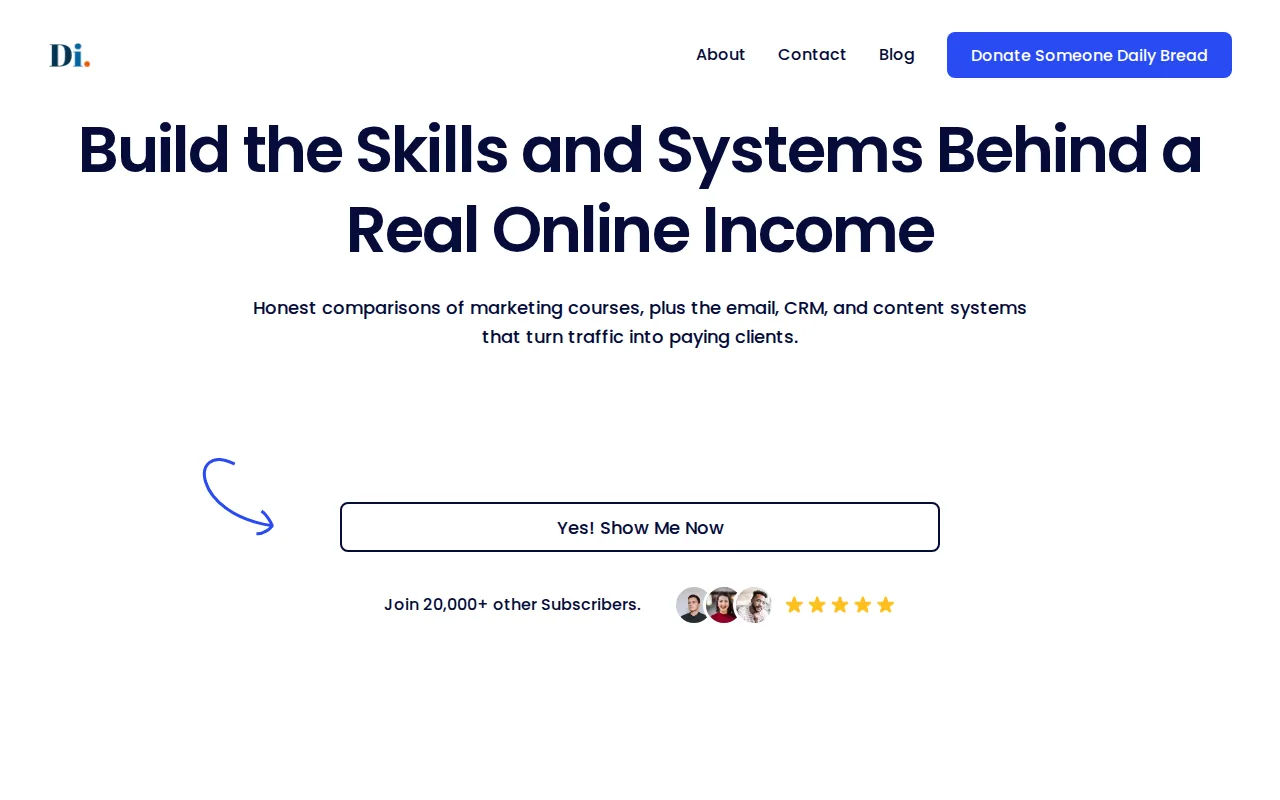
That makes DiSousa a useful first stop if you’re still deciding what to study. It isn’t one of the four third-party courses below, and this article doesn’t present it as a certificate program. Use it to clarify your goal, then choose a course that teaches the skill you need next.
Antonio has nearly two decades of experience in online and digital marketing. DiSousa is aimed at people building an online business, including aspiring affiliate marketers, freelancers, and online entrepreneurs. Its site also links to comparisons of broader digital marketing courses by cost, content, and certificate.
That kind of comparison can help when you have a specific outcome in mind. For example, a freelancer who needs to improve search visibility may need different lessons from a business owner who wants to build an email list. Start with the gap in your work, not with the course that has the most impressive title.
One useful distinction: a learning resource helps you decide what to learn, while a course provides lessons or instruction. Keep that difference in mind as you read the shortlist. If your immediate goal is a credential, look for clear details about the certificate and its requirements on the provider’s current course page.
A course can give you terms and a basic framework. To show that you can apply them, make a small work sample alongside your study. A simple channel plan or a short page audit can help you explain what you learned in an interview or client discussion.
The video is a general introduction to digital marketing strategy. Treat it as background, not as proof of a specific course’s syllabus or credential. As you watch, note the difference between a strategy, which sets direction, and tactics, which are the actions you take to carry it out.
DiSousa’s course comparisons are most useful when you bring a question to them. Are you trying to learn a channel, earn a credential, or get a first campaign ready? That answer narrows the field much faster than searching for the longest list of free lessons.
2. Simplilearn: introductory digital marketing learning options
Simplilearn has a large set of free, self-paced digital marketing courses. It’s a good fit when you want a short introduction to one topic instead of a single long program that covers every marketing channel.
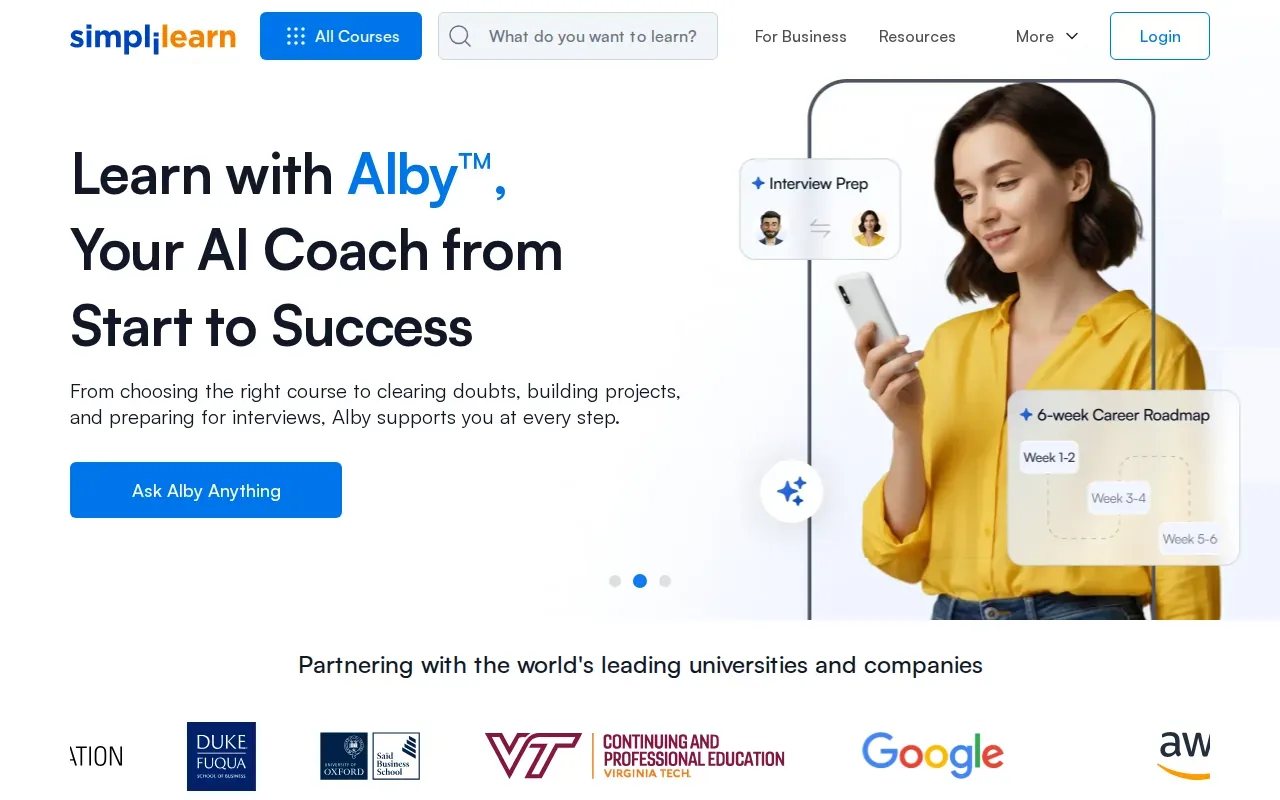
The listed free courses cover areas such as digital marketing basics, strategy, content marketing, paid media, social media, marketing automation, and SEO.
These topics point to different learning needs. A new marketer who needs the broad picture could begin with an introductory course. Someone preparing to review search visibility may prefer an SEO-focused lesson. A learner who expects to plan paid campaigns could start with a paid media lesson.
A short introduction can help you learn terms and understand a topic’s basic shape. It shouldn’t be treated as a substitute for building and reviewing a live campaign. Use a short course to find your next question, then practise the task on a sample project or a real site you have permission to work on.
Simplilearn’s wider digital catalog also includes paid programs and programs aimed at experienced learners. Keep the distinction clear: the provider’s catalog includes more than free courses, so check that the specific course you choose is marked free before you start. That does not mean every free course includes a certificate.
Course length tells you how much time the provider estimates, not how deep your skill will be. A short introduction may be enough to decide whether you want to study SEO further. A longer beginner course can still focus on basic concepts. Choose by the task you need to perform, then check the stated course requirements.
Certificates need a separate check. Before enrolling, confirm whether the specific free course includes a completion certificate, whether an assessment is required, and whether any credential has a fee. The available course information supports the free, self-paced format for the listed lessons, but it doesn’t establish one certificate rule for the whole catalog.
If you work through a short lesson on content planning, make a one-page content calendar afterward. If you study paid media, sketch a campaign brief that names the audience, goal, message, and measure of success. The work sample will show whether you can turn course ideas into a clear plan.
For learners who want a topic-by-topic start, Simplilearn’s catalog is the broadest fit in this shortlist. Pick one course first. A focused study session followed by an applied task beats collecting course enrollments you never finish.
3. Digital Marketing Course by Reliablesoft Academy: broad foundational coverage
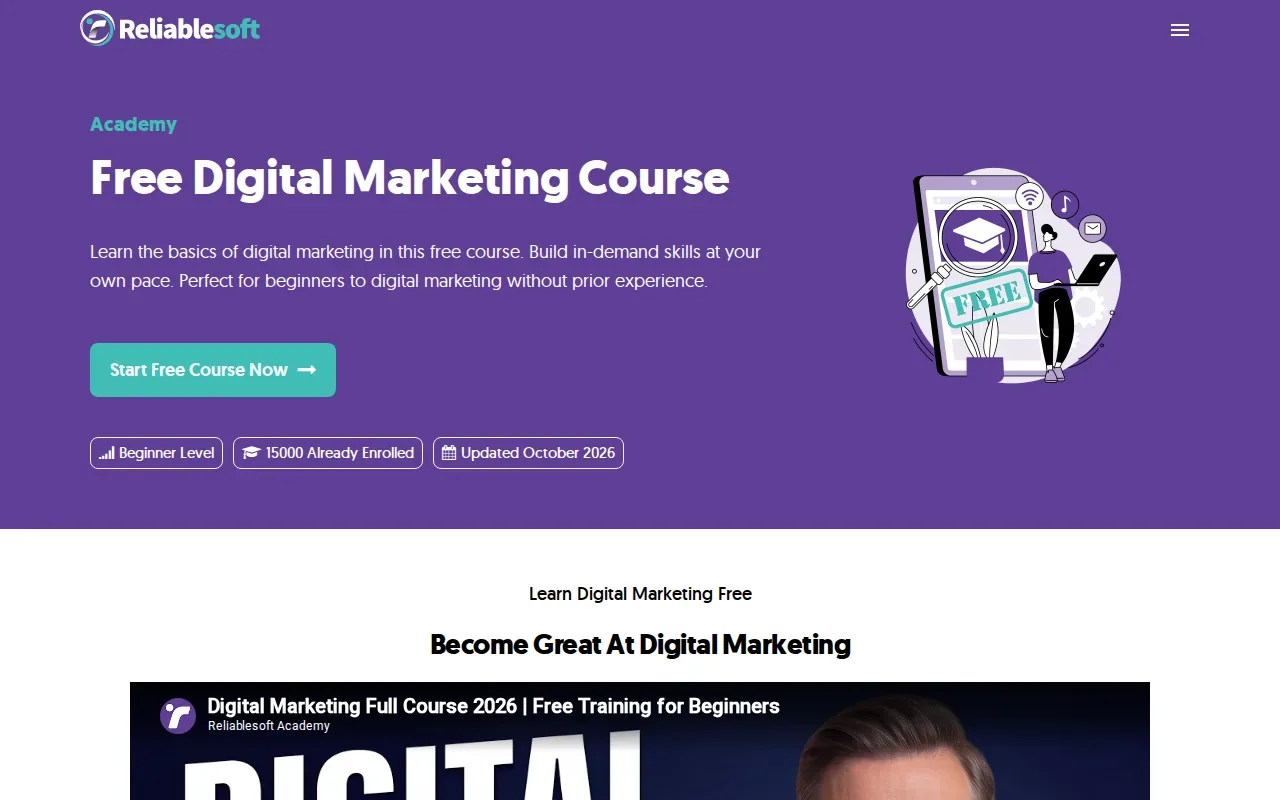
Digital Marketing Course by Reliablesoft Academy is presented as a free course for learning digital marketing basics. Its broad title makes it a reasonable starting point if you want an overview before choosing a specialty.
A foundational course can help you understand how different parts of marketing connect. Customer research informs the message. The message guides channel choice. The channel then shapes what you publish or promote and how you judge the result. Keep those links in view as you study, rather than treating SEO, social media, and email as unrelated tasks.
One useful way to practise is to pick a real product or service and write a short audience brief. Describe who it is for and what problem it helps solve. Then draft one clear message and choose one channel where that audience might look for information. That exercise can reveal whether you understand the strategy, not just the vocabulary.
For search work, start with the reader’s question. A page should answer that question clearly, use a useful heading structure, and make it easy for people to find the next relevant detail. A search optimization guide can explain foundational practices for helping search engines understand content. Read it alongside a course lesson, then review a page and note one change that would make its purpose clearer.
For content planning, write down what the audience needs before choosing a format. A business might need a service page for a high-intent search, while a helpful article could answer an early research question. The right choice depends on the reader’s stage and the business goal.
Keep the word “free” tied to the course itself. A free course can still have terms around access, course materials, or certificates. Review the current enrollment information and distinguish the learning content from any optional paid credential or service.
This course is a sensible option when you want a broad introduction rather than a platform-specific badge. After you finish, choose one area to practise. If search content is your next focus, DiSousa also compares technical SEO course options for learners who want to go beyond introductory concepts.
Don’t try to claim every channel at once. A beginner can learn more by writing one clear search-focused page and checking whether it answers a real question than by creating a thin plan for five channels. Keep your first project small enough to finish and review.
4. Digital Marketing by Great Learning: a short-format starting point
Digital Marketing by Great Learning is another named option for learners looking for an introductory course. It may suit someone who wants to begin with a single course rather than pick among many topic-specific lessons.
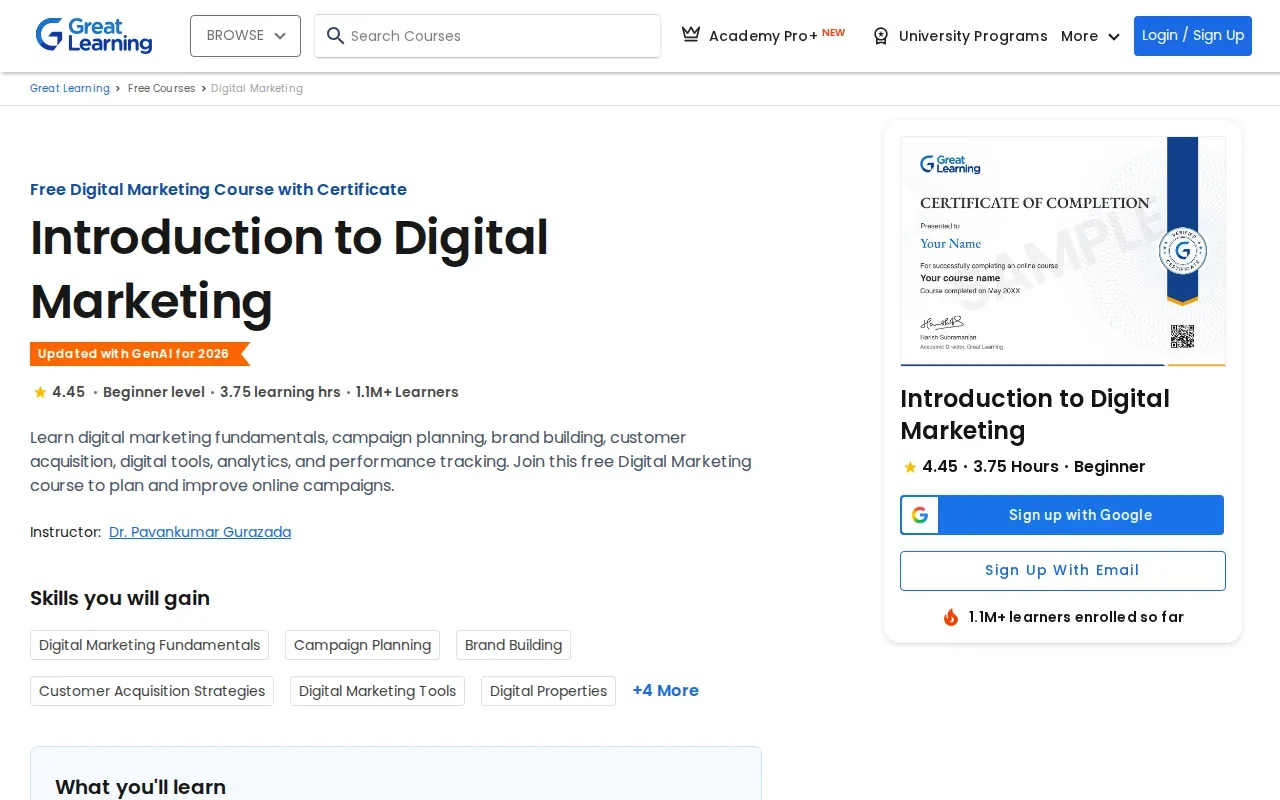
Digital Marketing by Great Learning is a course. For that reason, don’t assume a particular duration or credential from the title alone. Check the current course page before you enroll and confirm what the course includes.
That check is useful for any free learning offer. Read the enrollment page for the course’s exact name and confirm whether the lessons are free to access. If you need proof of completion, look for the certificate rules and any assessment steps before you spend time on the material.
To judge whether an introductory course meets your needs, compare its outline with a task you want to perform. If you need to plan content, look for lessons that explain audience needs and content goals. If you want to understand advertising, look for instruction on campaign objectives and measurement. Don’t expect one beginner course to make you proficient in every channel.
As you study, keep a learning log. After each lesson, write one sentence explaining the idea in your own words, then add one sentence on where it might apply. This simple habit helps reveal whether you can explain the concept without repeating the course’s phrasing.
A certificate can show that you completed a course, but employers and clients may also ask what you can do. Pair your learning with a sample brief, a content outline, or a short analysis of a page. Make it clear which work is yours and what evidence supports your choices.
Use the same standard when you compare any course: Does its outline match your goal? Can you complete the lessons in the time you have? Does the credential matter for the job or client you want? If the course page answers those points clearly, it becomes easier to decide whether it belongs in your study plan.
After learning the broad terms, pick one channel to explore further. For social media, DiSousa’s social media marketing course comparisons can help you compare platform-focused learning by topic and certificate details.
5. Pinterest Academy: platform-specific advertising skills
Pinterest Academy is the focused choice for learners who want to build expertise in Pinterest advertising. Pinterest Academy offers courses, skills badges, and certifications to build Pinterest advertising expertise.
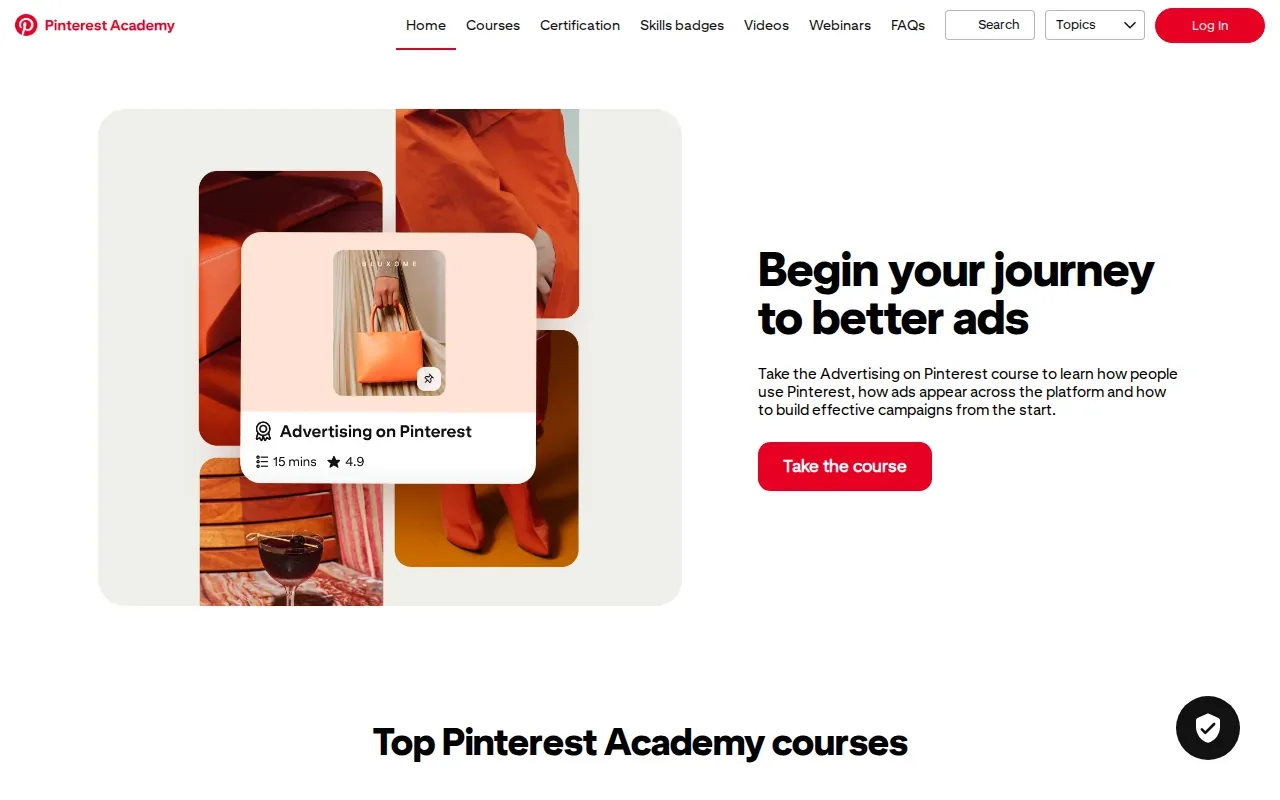
This is different from a broad digital marketing course. Platform training can teach you the language and processes connected to one advertising environment. It won’t replace foundational study in audience research, campaign goals, or measurement, but it may help if Pinterest is already part of your work or planned channel mix.
Before you begin, decide what you need to learn. Are you new to the platform’s advertising approach, or are you looking for a badge or certification? Read the course and credential details closely. The presence of badges and certifications in the Academy’s description does not tell you that every course awards one or that each credential has the same requirements.
Paid and organic marketing serve different purposes. Organic work can build steady visibility through useful content, but it often takes time to gain reach. Paid promotion can put a message in front of a selected audience sooner, but it requires a budget and a clear way to assess the result. A course can teach platform concepts; your business still needs to decide which approach fits its goal.
Direct-response marketing asks the audience to take a clear action, such as visiting a page or signing up. Brand-awareness marketing aims to help the audience recognize and remember a business. Those aims can overlap, but they need different measures. Don’t judge an awareness effort only by immediate sales, or judge a direct-response campaign only by views.
For a local service, campaign planning may focus on a defined service area and a clear next action. A business selling to a wider audience may need to compare audience groups and messages before expanding spend. In either case, don’t set a budget based on a course completion badge. Set it from the business’s goals and ability to measure outcomes.
When you review an ad lesson, turn it into a brief: identify the audience, state the goal, choose the message, and decide what result you’ll track.
Pinterest Academy is the clearest match here if the skill you want is specifically tied to Pinterest advertising. If your goal is broader, begin with fundamentals first, then add platform training when you have a reason to use that platform.
Compare the four course options
This table separates the facts confirmed for each option from details you should verify before enrollment. It’s designed to help you choose a starting point, not to imply that every course awards a credential.
| Option | Best starting point | Format or focus confirmed | Credential details | Check before enrolling |
|---|---|---|---|---|
| Simplilearn | Topic-specific introductions | Free, self-paced courses across digital marketing topics | Confirm terms for the specific course | Course access and certificate requirements |
| Digital Marketing Course by Reliablesoft Academy | Broad digital marketing basics | Presented as a free foundational course | Confirm current course terms | What the current course includes |
| Digital Marketing by Great Learning | An introductory course starting point | Course name confirmed | Confirm current course terms | Outline, access, length, and certificate rules |
| Pinterest Academy | Pinterest advertising skills | Courses focused on Pinterest advertising expertise | Academy description mentions skills badges and certifications | Which course or assessment grants a credential |
A certificate is useful when it supports your next step, but the label alone doesn’t show how much you can do. If you’re applying for a role, pair it with a work sample. If you’re learning for your own business, apply the lesson to one campaign or page and record what you changed.
Pro Tips: Make free lessons count
Pro Tips
- Pick one outcome. Write down the task you want to do after the course, such as outlining a search page or drafting an ad brief.
- Check the terms first. Confirm that the exact course is free and review any assessment or certificate conditions.
- Turn lessons into evidence. Save a short work sample that shows how you applied one idea.
- Separate strategy from tactics. Decide who you want to reach and what you want them to do before choosing a channel.
- Use a small test. Try one change at a time so you can tell what affected the result.
There’s no need to finish several courses before you act. One completed course plus a thoughtful sample can be more useful than a folder of unfinished lessons. Keep notes on what you tried and what you would change next.
When working with someone else’s business, get permission before changing a live page or campaign. Use a sample document if you’re still learning. That keeps the exercise honest and gives you something clear to discuss without suggesting that practice work produced business results.
Conclusion
Choose Simplilearn for a broad set of short, topic-focused lessons, Reliablesoft Academy for a free foundations course, Great Learning as an introductory option to verify, or Pinterest Academy for platform-specific advertising skills. Start by checking the current course terms, then complete one lesson and make a small work sample from it.
Income Disclaimer
Digital marketing education does not guarantee income, clients, employment, or business results. Outcomes depend on your skills, choices, market conditions, and other factors. Treat examples and learning activities as education, not a promise of earnings.
Frequently Asked Questions
Are there free courses for learning digital marketing?
Yes, free digital marketing courses are available, including options from Simplilearn and introductory options from the other providers in this shortlist. Free access and certificate terms can vary by course. Check the exact course page before enrolling, especially if you need a credential or want to know whether an assessment is part of the course.
Can I get a certificate from a free digital marketing course?
Some learning providers have credentials, badges, or certificates, but you should verify the rules for the specific course. Pinterest Academy offers courses, skills badges, and certifications to build Pinterest advertising expertise. Simplilearn’s catalog includes certifications backed by technology vendors. Check for fees and assessment requirements before you start.
Which free digital marketing course is best for beginners?
The best starting point depends on what you want to learn first. Simplilearn offers courses, while Reliablesoft Academy’s course is presented as a free introduction to digital marketing basics. If you want Pinterest advertising skills, start with Pinterest Academy. Compare the course outline with the task you want to perform.
How long does it take to learn digital marketing?
There isn’t one set time because digital marketing covers different skills. Course length varies by topic and provider, and individual lessons aren’t the same as the time needed to become skilled. Practice and feedback matter, so give yourself time to apply what you learn.
Is a digital marketing certificate enough to get a job?
A certificate by itself doesn’t guarantee a job. It can show that you completed training, but a hiring team may also want to see how you think and work. Pair a course with a sample brief, content outline, or page review. Explain your goal, your reasoning, and what you would measure if the work went live.
What should I learn first in digital marketing?
Begin with audience research and a clear goal. Then choose one channel that fits the audience and learn how to plan and assess work there. For example, search content calls for understanding what people are looking for, while paid advertising needs a defined campaign goal and a way to track results. Add other channels as your needs grow.
